



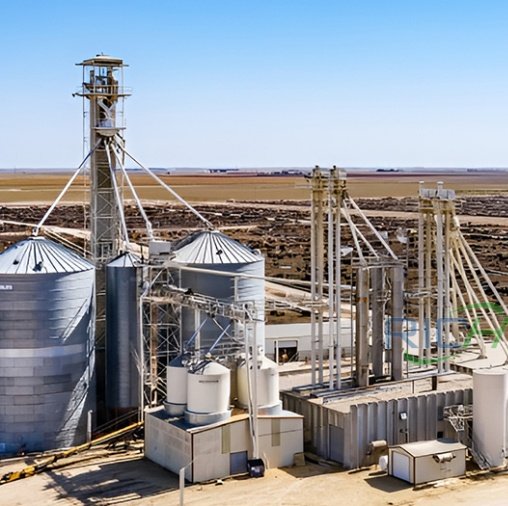
For many years, feed mills were built with a simple goal: produce poultry feed and supply nearby farms. However, market conditions have changed dramatically. Today, successful feed manufacturers are no longer relying on a single product or a single customer group. They are creating diversified businesses capable of serving poultry producers, aquaculture farms, and even livestock operations.
This transformation is driven by rising demand for animal protein, increasing competition, and the need to maximize return on investment. Instead of building separate facilities for different products, many investors prefer integrated systems that provide flexibility and long-term scalability.
That is why the poultry feed lines concept has attracted increasing attention among feed producers around the world.
The Growing Importance of Feed Manufacturing
Animal feed is one of the foundations of modern agriculture. Whether producing broilers, layers, ducks, or geese, feed quality directly influences growth performance and production costs.
Commercial poultry producers need feed that provides:
- Balanced nutrients.
- Stable pellet quality.
- High digestibility.
- Better feed conversion ratios.
As farms continue to expand, demand for professionally manufactured feed keeps increasing. This creates significant opportunities for investors who are willing to establish efficient production facilities.
Why Traditional Feed Mills Are Becoming Obsolete
Older factories often suffer from several problems:
- Low automation levels.
- High labor costs.
- Frequent maintenance issues.
- Limited production capacity.
- Poor product consistency.
Modern feed factories solve these challenges through advanced engineering and intelligent control systems.
Instead of relying on manual operations, today’s manufacturers use automated processes that ensure stable production and higher efficiency.
This transition allows producers to compete in increasingly demanding markets.
The Complete Production Workflow
Raw Material Intake
Corn, soybean meal, wheat bran, vitamins, and minerals are received and stored separately.
Grinding
Hammer mills reduce particle size to improve mixing and digestibility.
Batching and Mixing
Computerized systems guarantee accurate formulas.
Conditioning
Steam treatment improves pellet durability and nutrient utilization.
Pelleting
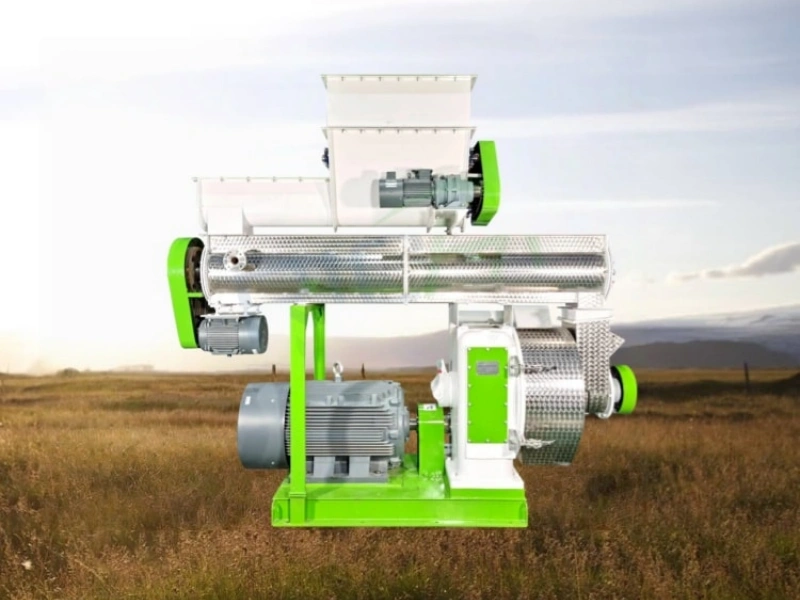
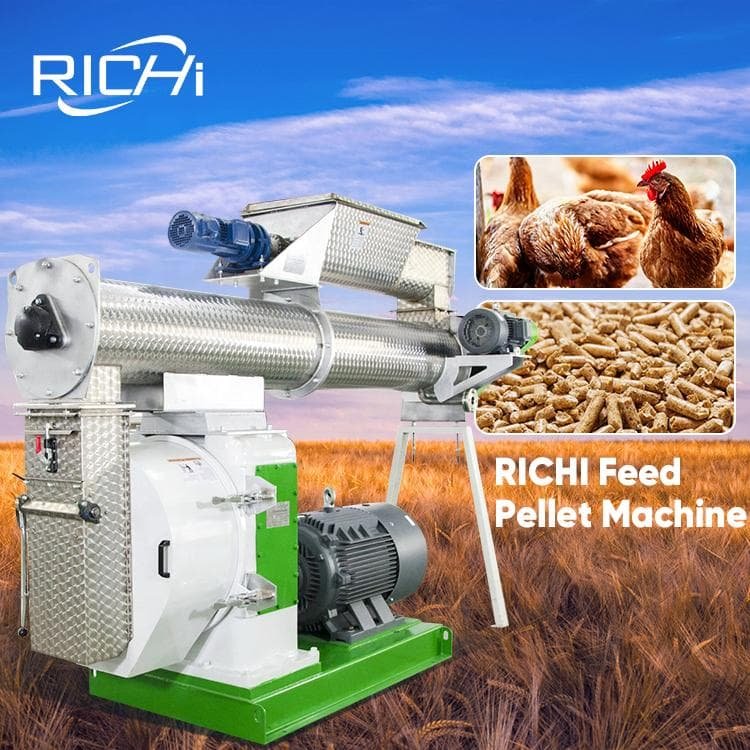
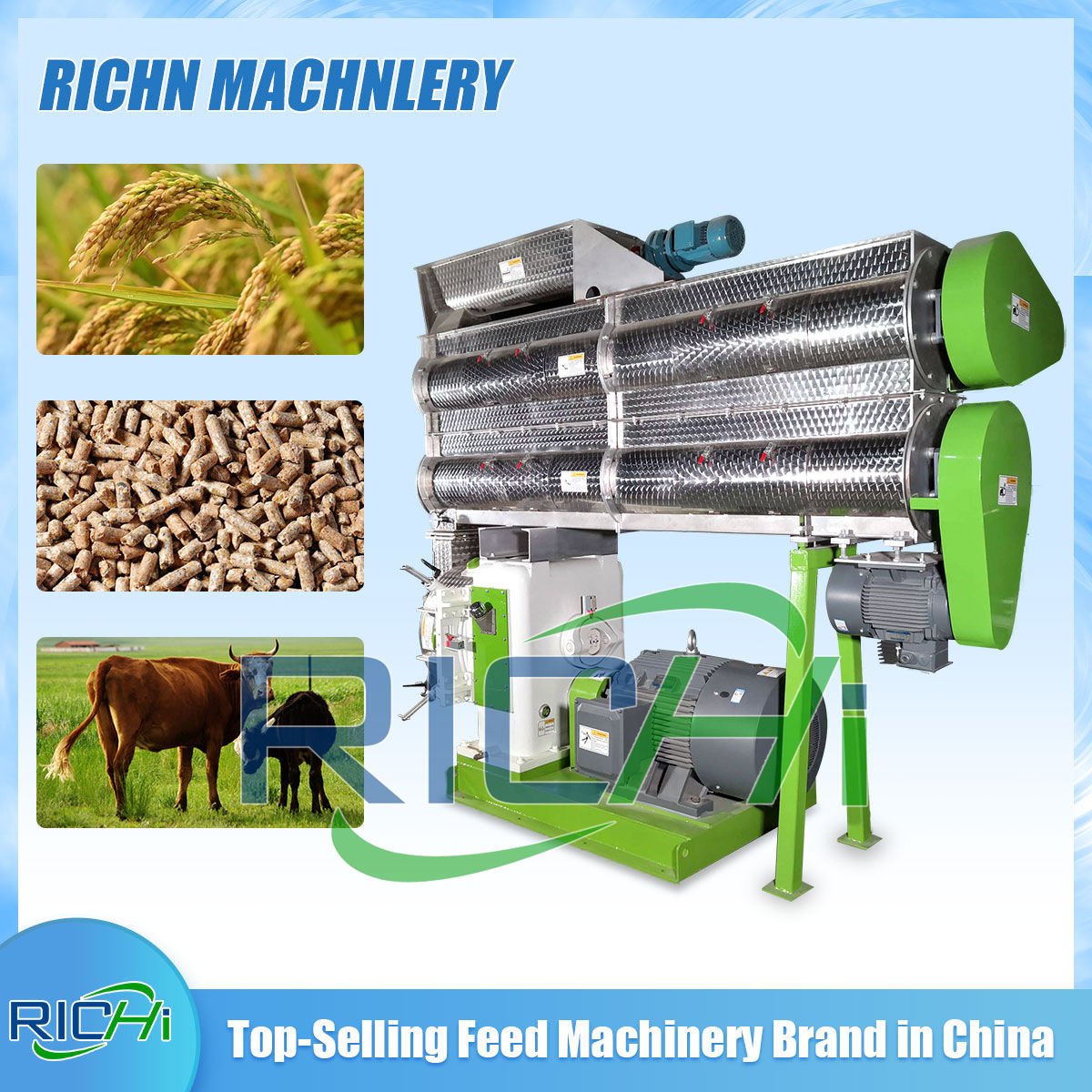
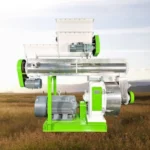
The pellet mill compresses materials into uniform feed pellets.
Cooling
Cooling systems remove moisture and stabilize pellet quality.
Screening
Dust and broken pellets are separated.
Packaging
Finished feed is weighed and packed automatically.
Each stage contributes to overall production efficiency.
Why Capacity Planning Matters
Choosing capacity should depend on market demand rather than ambition alone.
1–2 T/H Systems
Suitable for small farms and local markets.
3–10 T/H Systems
Ideal for medium-sized feed businesses.
10–30 T/H Systems
Designed for commercial and industrial operations.
Reasonable capacity selection helps shorten payback periods and improve profitability.
Diversification Creates New Growth Opportunities
Feed manufacturers no longer need to focus exclusively on poultry products.
Aquaculture has become one of the fastest-growing industries worldwide. Fish farms require specialized floating and sinking feeds that command attractive profit margins.
By adding a sinking fish feed pellet making machine, feed companies can supply:
- Tilapia feed.
- Catfish feed.
- Carp feed.
- Shrimp feed.
- Ornamental fish feed.
This strategy allows factories to expand without building completely separate facilities.
As a result, equipment utilization increases and investment risks decrease.
Raw Materials Influence Production Costs
Feed ingredients represent the largest portion of operating expenses.
Common materials include:
- Corn.
- Soybean meal.
- Rice bran.
- Wheat bran.
- Fish meal.
- Cottonseed meal.
- Sunflower meal.
- Vitamin premixes.
Feed manufacturers often choose formulas based on:
- Local availability.
- Seasonal prices.
- Animal species.
- Nutritional requirements.
Optimizing raw material combinations can significantly improve profits.
Automation Is Reshaping Feed Production
Modern control systems offer numerous advantages.
Higher Precision
Automatic batching ensures formula accuracy.
Reduced Labor Costs
Fewer workers are required.
Stable Product Quality
Computerized systems minimize human error.
Better Production Records
Real-time data helps improve management.
Automation also simplifies maintenance and reduces downtime.
These advantages explain why intelligent factories are becoming the industry standard.
Energy Efficiency Improves Competitiveness
Electricity costs have become a major concern for feed manufacturers.
Modern equipment uses:
- Variable frequency drives.
- High-efficiency motors.
- Intelligent control systems.
- Energy-saving cooling equipment.
Lower power consumption directly increases profit margins.
Over the lifetime of a project, energy savings can represent a substantial financial benefit.
Choosing Equipment Suppliers Wisely
Purchasing equipment is not simply about comparing prices.
Several factors deserve equal attention.
Engineering Experience
Experienced suppliers understand different feed formulations and production requirements.
Equipment Quality
Reliable components ensure longer service life.
Technical Support
Professional guidance helps avoid startup problems.
Spare Parts Availability
Fast delivery minimizes downtime.
Future Expansion Possibilities
Modular systems make upgrading easier.
Companies with extensive international experience can provide valuable assistance throughout the project lifecycle.
Many feed manufacturers cooperate with pellet machine for sale suppliers that offer complete engineering services instead of individual machines.
Environmental Sustainability Is Becoming Essential
Governments and customers are increasingly concerned about environmental protection.
Modern factories incorporate:
- Dust collection systems.
- Low-noise equipment.
- Energy-efficient motors.
- Waste recycling technologies.
These solutions improve working conditions and reduce environmental impact.
Sustainable production also enhances a company’s reputation.
Digital Technology Is Changing the Industry
Smart manufacturing is no longer a future concept.
Advanced technologies now include:
Remote Monitoring
Operators can supervise equipment through computers and mobile devices.
Predictive Maintenance
Sensors detect potential problems before breakdowns occur.
Data Analysis
Production data helps optimize efficiency.
Cloud Management
Managers can access information anytime and anywhere.
Digital transformation is making feed factories more intelligent and competitive.
Common Mistakes That Reduce Profitability
Overestimating Production Capacity
Large investments may create unnecessary financial pressure.
Ignoring Local Markets
Demand analysis should always come first.
Buying Cheap Equipment
Low-quality machines often generate higher maintenance expenses.
Underestimating Technical Support
Training and after-sales service are equally important.
Successful projects are built on careful planning rather than low initial costs.
Future Prospects for Feed Manufacturing
Global demand for poultry meat and aquaculture products continues to rise. This trend ensures long-term opportunities for feed producers.
Flexible production systems provide the ability to adapt to changing markets while maintaining high efficiency and stable quality.
A modern poultry feed lines project can become much more than a traditional feed mill. With diversified products, advanced automation, and proper planning, manufacturers can create sustainable and profitable businesses for decades.
If you would like to learn more about equipment selection, project planning, and market opportunities, feel free to a knockout post and discover additional resources that may support your next investment decision.
Related Post: https://pelletizerequipment.com/animal-feed-production-line/