
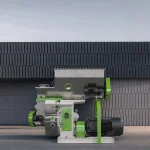
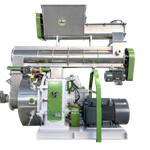
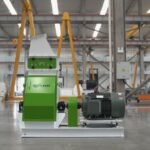




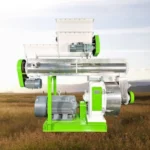
A commercial wood pellet machine project becomes production-ready only when the site team can reproduce stable output under normal plant conditions. Installation completion and a successful first run are important milestones, but they do not by themselves prove that the plant can operate efficiently after handover. The final acceptance stage should therefore focus on repeatability, operator ownership, and the interfaces that determine day-to-day performance.
For a buyer implementing a wood pellet machine, the practical question is not simply whether pellets can be made. It is whether raw material, utilities, feeder behavior, pelletizer load, cooling, screening, and operator response remain inside a stable operating window for long enough to represent commercial production.
Define the Production Condition Before Acceptance
The acceptance test should begin with a defined raw-material condition. Material type, approximate moisture, particle size, bulk density, and any blend ratio should be recorded before the pelletizer is evaluated.
This matters because wood residues can vary significantly. Sawdust, shavings, chips, mixed residues, and agricultural biomass do not behave the same way in feeding, compression, or cooling. Without a defined input condition, production data cannot be compared reliably later.
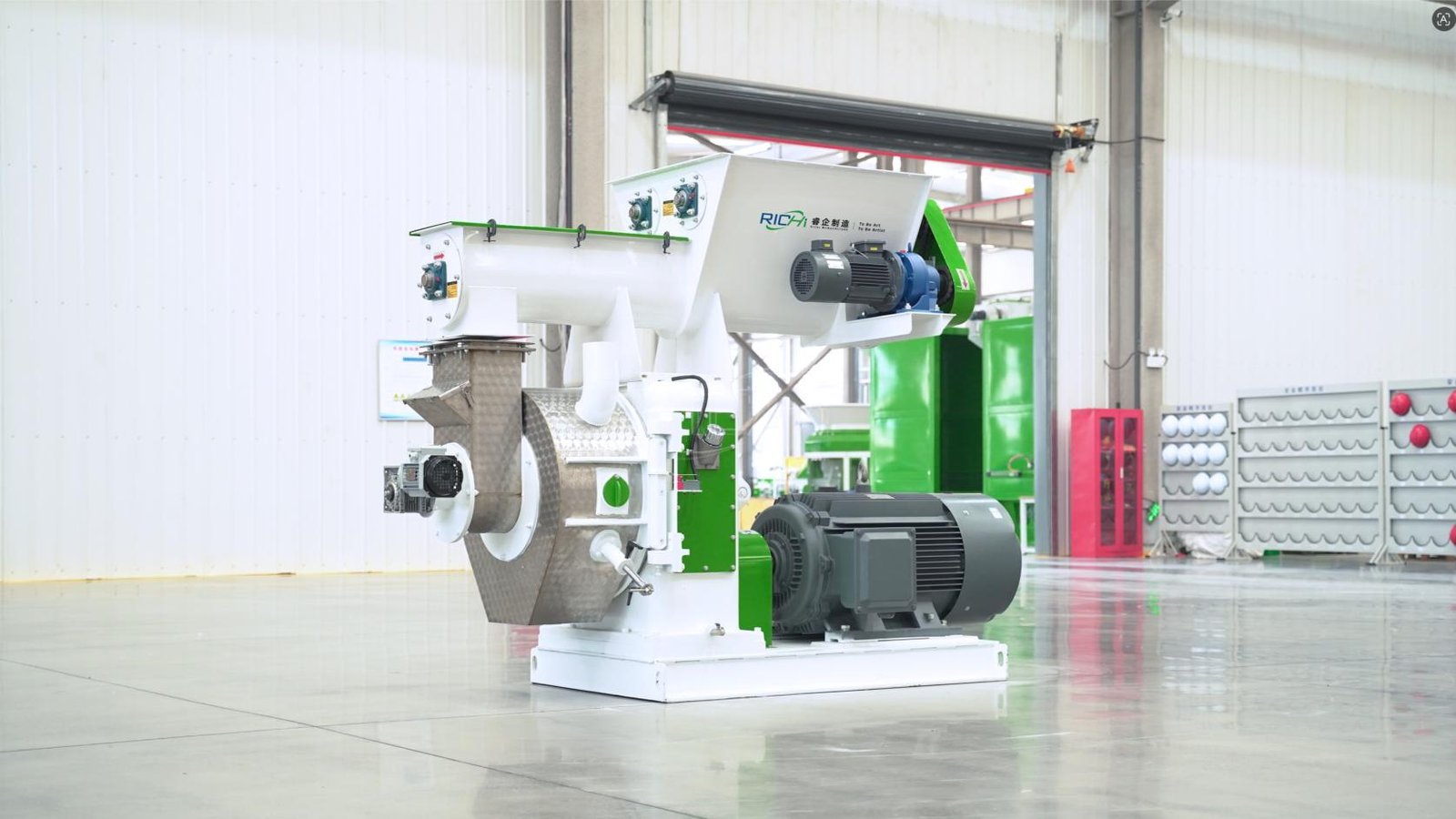
Confirm Upstream Preparation Is Stable
Grinding and drying should be producing a repeatable feed before the pelletizer is pushed toward target output. If moisture or particle size is still changing substantially, the pellet mill will show changing motor load and output even when the machine itself is mechanically sound.
For final acceptance, the stronger approach is to stabilize upstream preparation first, then record pelletizer performance. This makes it easier to identify whether a later change comes from raw material, drying, grinding, feeding, or the pelletizing section itself.
Establish a Repeatable Feeder Condition
The feeder should deliver material evenly enough that motor load does not swing constantly. The acceptance record should include the feeder setting associated with the stable production point and any observations about bridging, surging, or bulk-density variation.
A high feed setting is not useful if it causes repeated overloads. Stable feed is more valuable because it allows the die and rollers to work under controlled conditions and gives the downstream system a predictable material flow.
Increase Load in Steps Instead of Chasing Maximum Output
The commissioning team should move from low load toward target capacity in measured steps. At each stage, motor current, throughput, pellet quality, fines, vibration, temperature, and cooler behavior should be allowed to stabilize.
This method reveals the first system constraint. The pellet mill may still have available power while feeder stability, raw-material preparation, cooling, screening, or conveying becomes the limiting factor. The commercial operating point should reflect the complete process.
Record Motor Load as a Range
A stable current range is usually more useful than a single peak number. The plant should record the normal current band associated with the accepted throughput and raw-material condition.
Later, if current rises while output falls, operators have a clear signal that something has changed. Possible causes include moisture variation, feeder instability, die condition, contamination, or a process restriction. The baseline helps narrow the investigation.
Include Die and Roller Condition in the Handover Record
Production data should be linked to the mechanical condition of the die and rollers. The team should note whether the die is new, conditioned, or already in service and whether roller adjustment is stable.
This prevents unrealistic comparisons later. A plant cannot expect identical output months later if die resistance, wear, or roller condition has changed significantly. The commissioning baseline should make the original condition clear.
Verify Pellet Quality at the Accepted Rate
The accepted operating point should include finished-product observations, not only tonnage. Pellet diameter, appearance, fines, durability trend, and behavior through cooling and handling should be reviewed at the same rate used for capacity acceptance.
If a higher feeder setting produces more breakage or recycle, the plant may gain little usable output. Commercial acceptance should therefore balance throughput with finished-product quality.
Confirm Cooling Is Not the Hidden Bottleneck
The cooler must sustain the same rate as the pelletizer. Operators should observe discharge temperature, product depth, airflow, and whether the cooler remains stable throughout an extended run.
If the cooler starts to accumulate product or discharge temperature rises, the pellet mill may need to operate below its short-term maximum. The real plant capacity is the rate the complete line can sustain.
Track Fines and Recycle as Net Output Indicators
Gross pelletizer throughput does not always equal saleable production. Screening losses and recycle should be observed as output increases. If recycle climbs sharply, the higher feed rate may not improve net production.
The final acceptance baseline should therefore consider usable finished product rather than only material passing through the pelletizer.
Run Long Enough to Reveal Slow Instability
Some problems appear only after the plant has operated for a sustained period. Motor load may drift, feeding may become less stable, heat may accumulate, or fines may gradually increase.
An extended run allows the team to see whether the operating point is truly repeatable. The objective is not simply endurance; it is to prove that the chosen settings remain stable under normal production conditions.
Transfer the Operating Logic to the Shift Team
Operators should understand the approved startup sequence, the normal current range, the feeder setting, acceptable product condition, and the alarms that require escalation. They should also know which adjustments are permitted and which changes require maintenance or engineering support.
This is a critical part of handover. A line that performs well only while the commissioning engineer is present is not yet fully production-ready.
Create a Baseline Sheet for Future Troubleshooting
The final handover record should summarize the accepted raw-material condition, feeder setting, motor current, throughput, die condition, pellet quality, cooler discharge condition, fines, and any important operator notes.
When output changes later, the production team can compare the current plant condition against this known successful reference. That makes troubleshooting more structured and reduces unnecessary setting changes.
Production Readiness Means Repeatable Results
The final test of a wood pellet machine project is whether the plant can reproduce the accepted operating result with its normal team and normal process conditions. Stable throughput, controlled motor load, consistent product quality, reliable cooling, and clear operator responsibility are what turn commissioning into commercial production.
When those elements are documented and repeatable, the buyer has more than a working machine. The project has a practical production baseline that can support future shifts, maintenance decisions, and capacity reviews.