






A paper pellet mill project is not simply a matter of compressing waste paper. The investment succeeds when a recycling or manufacturing site can convert a defined paper stream into a consistent pellet product without creating new bottlenecks in sorting, storage, dust handling, utilities or dispatch. The equipment configuration changes according to whether the plant receives loose office paper, old newspapers, corrugated cardboard, paper trim or prepared pulp, and whether the finished pellets are intended for fuel, bedding or cat litter.
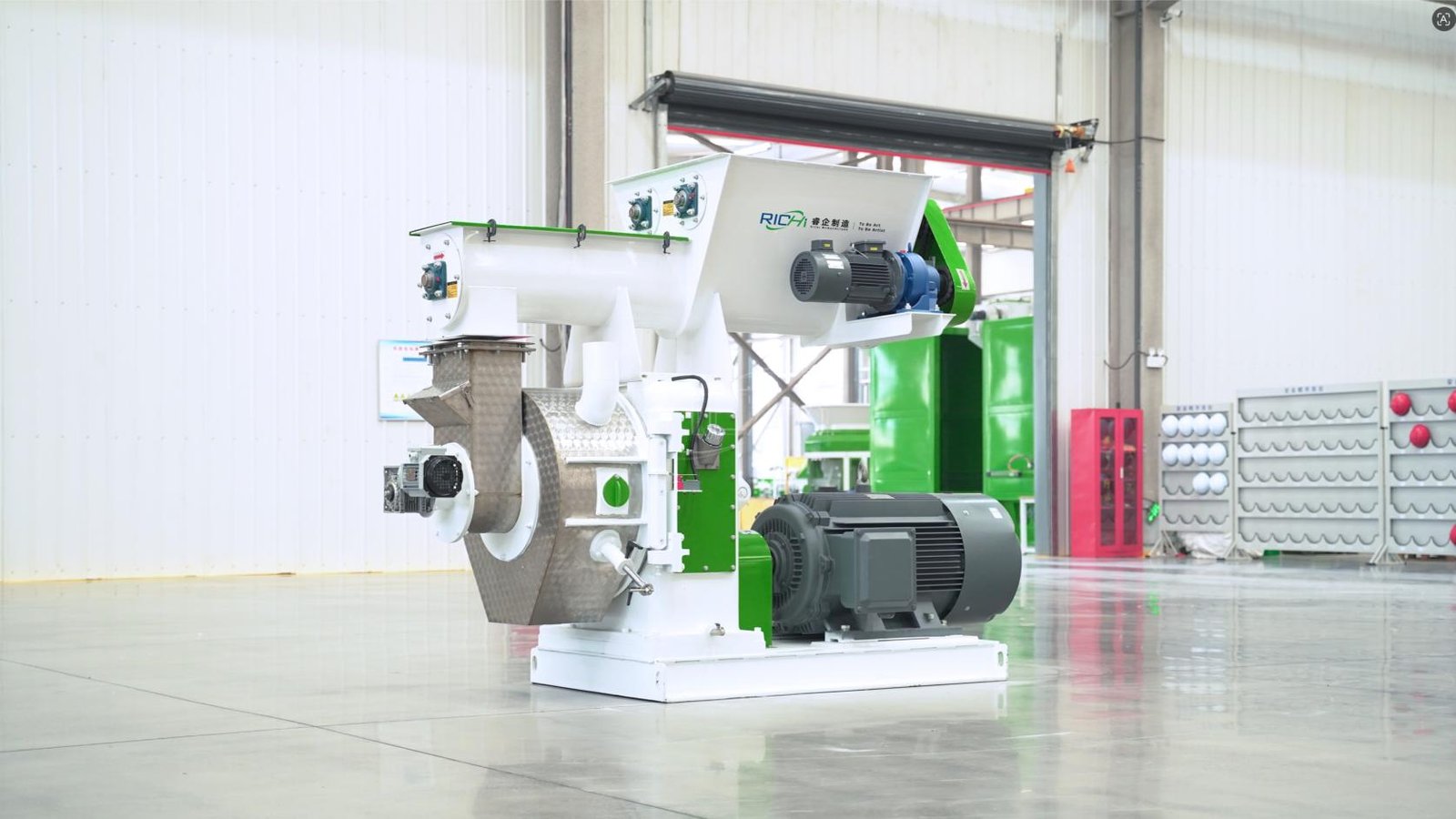
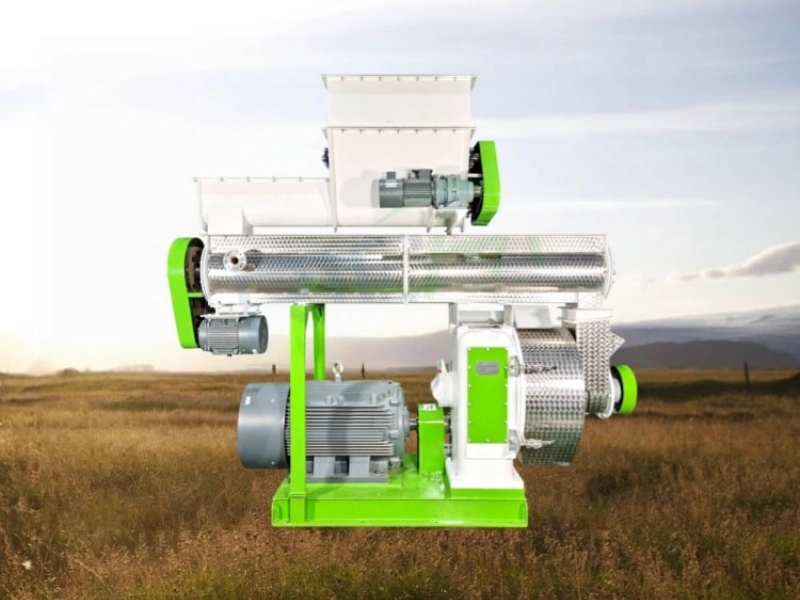
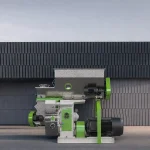
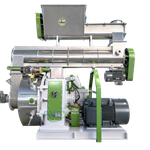
RICHI’s paper pellet mill page describes a heavy-duty ring-die machine for waste paper and cardboard, with reference model outputs from 0.2–0.3 t/h for MZLH320 to 3–4 t/h for MZLH768. The published pellet diameter range is 4–12 mm. These values are model references; the page notes that actual production depends on material condition, moisture and pellet specifications. For a project, the more important question is how the receiving, preparation and finishing sections will support the selected press.
Define the Factory’s Paper Stream and Product Boundary
Before preparing a layout, identify the exact paper grades that will enter the plant. Cardboard offcuts from packaging production may arrive in large, bulky pieces. Newspaper and office paper are thinner but may carry ink, coatings, staples or adhesive labels. Paper pulp or recycling rejects can have different moisture and flow properties. Mixed paper is convenient to collect, but it makes quality control and process adjustment more difficult.
The product route must also be fixed early. Fuel pellets require a specification suited to the end user’s combustion equipment and storage method. Bedding needs agreed dust, absorbency and handling properties. Cat litter may require more demanding checks for ink residues, clumping and pet-product safety. A plant that intends to serve several markets should define separate recipes, storage and changeover procedures rather than assuming one pellet specification will satisfy every buyer.
A practical site survey should measure the paper stream by source, grade, monthly volume, moisture, contamination and delivery frequency. Include the net quantity available after removing plastic, metal, tape and rejected material. This survey determines whether the plant needs a shredder, metal removal, screening, de-inking, pulping, mixing or drying before the press. It also identifies whether the existing factory can provide enough usable material to keep the proposed line operating.

Choose a Receiving Layout That Prevents Cross-Contamination
The receiving area should separate incoming waste paper from prepared feed and finished pellets. Provide space for unloading, inspection, temporary quarantine and storage by paper grade. Keep wet or contaminated deliveries apart from clean material. If paper comes from several production departments, assign each source a receiving location or batch identifier so that a quality issue can be traced.
Loose paper and cardboard occupy substantial volume before shredding. The layout should account for loader or forklift movement, bale breaking, safe access to the shredder and the removal of rejected contaminants. Avoid routing finished-product traffic through the raw-material unloading zone. Dust-generating equipment should be located so extraction ductwork, filters and maintenance access can be installed without interfering with building structure or electrical cable routes.
Storage conditions matter because paper readily absorbs moisture. A covered, dry area and a planned stock rotation reduce the risk of wet feed entering the line. However, storage should not be oversized without reference to the real supply schedule: excess inventory occupies valuable space and can make fire-load management more difficult. The site safety plan should address stacking, access aisles, ignition control and housekeeping for accumulated paper dust.
Select Pretreatment From the Actual Contaminants
Cardboard and large paper pieces usually need size reduction before they can be conveyed and fed consistently. A shredder or crusher should be selected for the largest incoming piece, board thickness, expected throughput and contaminant risk. Staples, clips and other metal objects need a defined removal strategy. Screening and magnetic separation can protect downstream equipment, but no single device removes every type of foreign matter.
Newspaper intended for cat litter may require a different preparation route from cardboard fuel pellets. RICHI’s product information describes de-inking and pulping for a newspaper litter application, reflecting the need to consider printing residues and the desired absorbency and clumping behavior. A simple shredding-and-pelletizing line should not be represented as automatically suitable for every printed paper stream. The process must be assessed against the paper source and the buyer’s product-safety requirements.
For cardboard-based litter or bedding, formulation may be needed to achieve the required clumping, absorption or handling properties. Binder or additive dosing should be specified and controlled, not left to informal operator judgment. The project may need a mixer, dosing equipment and process checks to ensure that every batch receives the intended addition. For fuel applications, the main concerns may instead be moisture, calorific performance, ash and compatibility with the customer’s burner.
Match the Pellet Mill to the Prepared Material Flow
The RICHI paper pellet mill uses mechanical compression between the ring die and rollers. The page states that the dry pelletizing process does not require a steam-conditioning system for the described paper applications. A variable-speed feeding system and forced feeder help move lightweight paper fibers into the pelletizing chamber. These features are relevant because fluffy paper can bridge or feed unevenly if the hopper and feeder are not designed for its bulk behavior.
The model table lists six MZLH models with reference output from 0.2–0.3 t/h to 3–4 t/h and motor power from 22 kW to 250 kW. The selected model should be based on the prepared material rate, target pellet diameter, operating hours and expected product mix. Do not size the machine from the incoming loose-paper volume alone: the shredder, transfer system and finished-product equipment must all support the same duty.
Ring die selection and cutter adjustment influence pellet dimensions. A project that needs several pellet diameters should consider how often dies will be changed, how the changeover is performed and whether separate product runs are commercially practical. The ring die, rollers, bearings and transmission are wear and maintenance items. The equipment layout should provide safe access for inspection, lubrication and replacement without dismantling unrelated machines.
Integrate Cooling, Screening and Packaging With Dispatch
Pellets leaving the press are warm and may be vulnerable to breakage if they are transferred roughly. Cooling should reduce product temperature before screening and storage. The cooler capacity should match the press discharge under the planned operating conditions. Transfer chutes and conveyors should avoid excessive drops and unnecessary recirculation.
Screening removes fines, broken pellets and off-size material. Decide whether fines are recycled, how they are returned and how the recycle load is monitored. If the screen or return system is undersized, the press may be forced to slow down even when it has spare capacity. Packaging should be selected around bag size, packing rate, weighing requirements, palletizing and dispatch method. Fuel pellets, bedding and litter may need different packaging and storage controls.
The complete plant should include dust collection at shredding, transfer, screening and packing points. Confirm filter access, dust discharge, duct routes and cleaning responsibilities. Dust collection is not only a housekeeping accessory; it affects operator conditions, equipment cleanliness and safe maintenance. The design should follow the site’s risk assessment and applicable local requirements.
Check Utilities and Contractor Responsibilities Before Installation
The electrical load schedule should include the shredder, conveyors, feeder, pellet mill, cooler, screen, dust collector, mixer, dryer if required and packing equipment. Check starting methods, simultaneous loads, protection, cable routing, earthing and control interfaces. If the site is an existing factory, confirm spare transformer capacity and whether production equipment can be installed without disrupting current operations.
Prepare an interface register that identifies which party supplies foundations, structural steel, transformer, distribution panels, cables, external conveyors, ventilation, dust collection, lifting equipment and installation labor. Verify equipment footprints, floor levels, anchor positions, access clearances and delivery routes against approved drawings before construction is complete. Unclear scope boundaries are a common source of installation delay.
During installation, inspect equipment identity, orientation, alignment, anchoring, guards, lubrication and transfer connections. Check motor rotation, emergency stops, overload protection and interlocks before material trials. Complete no-load tests where permitted by the equipment procedure. Keep an open-item list with an owner and closure date; do not proceed to loaded operation while safety-related defects remain.
Commission With the Paper Grade the Plant Will Actually Receive
A meaningful production trial uses representative paper from the buyer’s normal supply chain. Record the grade, supplier, moisture, contaminants, shredder settings, particle condition, additives or binder dosage where applicable, feeder settings, die specification, pellet dimensions, cooler conditions, fines and saleable output. A trial with unusually clean and dry material does not establish performance for a mixed waste stream.
Acceptance criteria should distinguish press throughput from finished product after cooling and screening. Define the test duration, sampling method, target pellet quality, utility conditions and how start-up or changeover time is treated. For cat litter, include the buyer’s required absorption, clumping and cleanliness tests. For bedding, assess dust and handling. For fuel, use the agreed fuel and physical quality criteria. Record deviations and repeat the test after corrective action.
Prepare the Project Package for a Reliable Start
Before requesting a final quotation, provide representative samples, paper grades, monthly supply estimates, contamination profile, moisture range, target product, pellet dimensions, required hourly output, operating schedule, site layout, available power, packaging method and any special product tests. For newspaper litter, include information about ink and coatings. For cardboard fuel, identify the end user’s boiler or burner requirements.
The supplier can then define the equipment boundary and identify which auxiliary machines are necessary. If the factory already has shredding or dust collection equipment, its actual condition and capacity should be checked before excluding it from the scope. Reusing existing equipment may reduce initial investment, but only if it meets the required throughput, safety and product quality conditions.
Conclusion: Design the Paper Pellet Plant as a Factory System
A paper pellet mill is the core forming machine, but reliable output depends on the paper stream, receiving layout, contaminant removal, pretreatment, feeding, cooling, screening and packaging. A well-designed project begins with a material and product definition, then connects each process stage to a clear capacity and responsibility boundary.
For model details and equipment options, review the RICHI paper pellet mill range. Share paper samples, target product, supply estimates and site conditions so the equipment and line can be matched to the actual factory.