







Wood Pellet Machine Production Readiness: How to Prove a Stable Operating Baseline
A commercial wood pellet machine project becomes production-ready only when the site team can reproduce…
A commercial wood pellet machine project becomes production-ready only when the site team can reproduce…
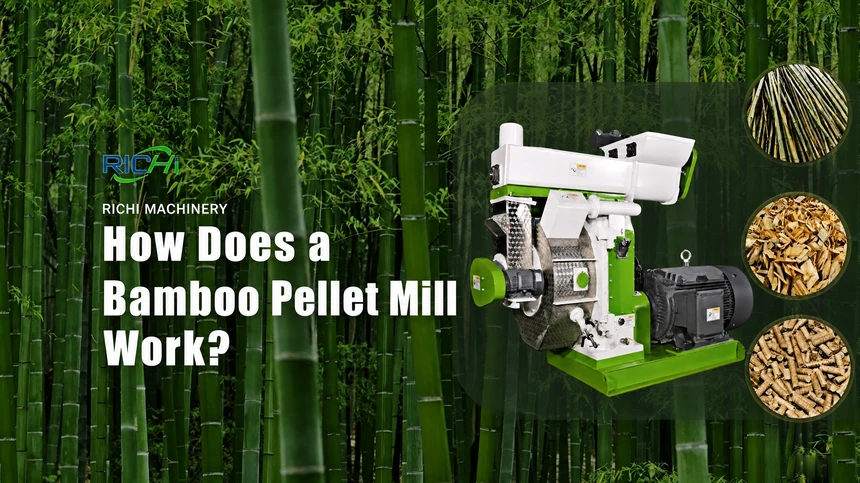
Bamboo grows fast. Some species add a meter or more in a single season, and…
Sawdust is one of the most common by-products of wood processing. Furniture factories, sawmills, woodworking…
Hemp residues can be processed into compact biomass fuel pellets, but equipment selection should start…
A commercial wood pellet machine project becomes production-ready only when the site team can reproduce stable output under normal plant conditions. Installation completion and a successful first run are important milestones, but they do not by themselves prove that the plant can operate efficiently after handover. The final acceptance stage should therefore focus on repeatability,…

Bamboo grows fast. Some species add a meter or more in a single season, and a mature clump can be harvested repeatedly for decades without replanting. On paper, that makes it one of the most attractive biomass crops available. It does not compete with food production the way maize or soy does. It grows on…
Sawdust is one of the most common by-products of wood processing. Furniture factories, sawmills, woodworking shops, and timber processing plants can generate large quantities of fine wood residues every day. Instead of treating this material simply as waste, many businesses and biomass energy projects process it into dense pellets that are easier to store, transport,…
Hemp residues can be processed into compact biomass fuel pellets, but equipment selection should start with the raw material rather than the machine catalogue. Stalks, stems, leaves, and processing residues can have different moisture levels, particle sizes, and fiber characteristics. For this reason, anyone comparing a hemp pellet making machine for sale should first define…
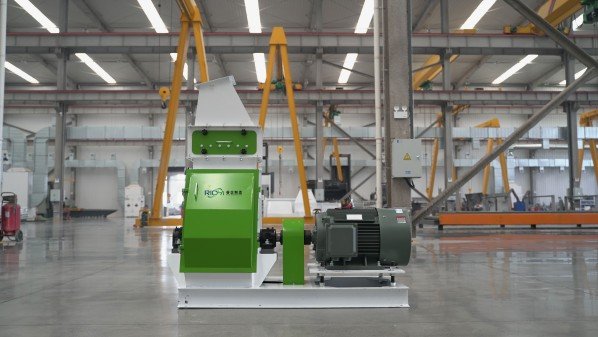
Wood crushing is an essential process in biomass processing, wood pellet production, briquette manufacturing, wood recycling, and solid biomass fuel preparation. Wood materials are available in many forms, from large logs and branches to wood chips, sawdust, shavings, bark, and fine wood powder. Because these materials differ significantly in size, moisture, density, and structure, different…

You have probably seen it happen. Two alfalfa growers, same region, same soil, same rainfall. One sells his hay for a modest price and hopes the weather cooperates next year. The other sells pellets into markets the first grower never considered, commands a premium, and sleeps better at night. The difference is not the crop….
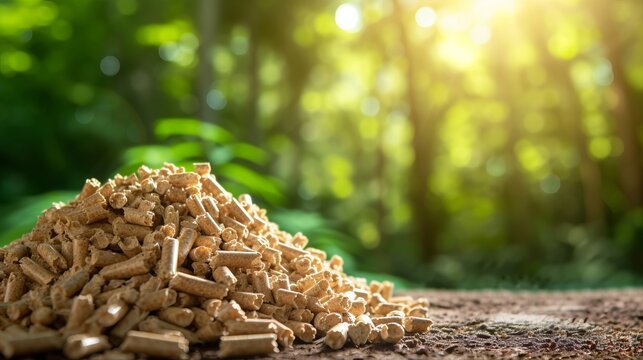
Straw pelletizing is an effective way to convert agricultural residues into a denser and easier-to-handle biomass fuel. Wheat straw, rice straw, corn stalks, barley straw, oat straw, sorghum stalks, and other crop residues can all be processed into pellets when their physical properties are properly controlled. However, installing a pellet mill does not automatically guarantee…

Buying pellet equipment is only one part of launching a commercial wood pellet project. A machine can be correctly selected and still underperform if the site is not ready, utilities are incomplete, installation sequencing is wrong, or operators are asked to learn the process after production has already started. For project owners, the practical question…

Large agricultural regions can generate enormous quantities of corn residue. When collection systems and markets are sufficiently developed, these materials can support commercial biomass pellet production. At this scale, a corn stalk pellet machine must be considered as part of a coordinated industrial process capable of handling substantial material volumes. Choosing a high capacity straw pellet…
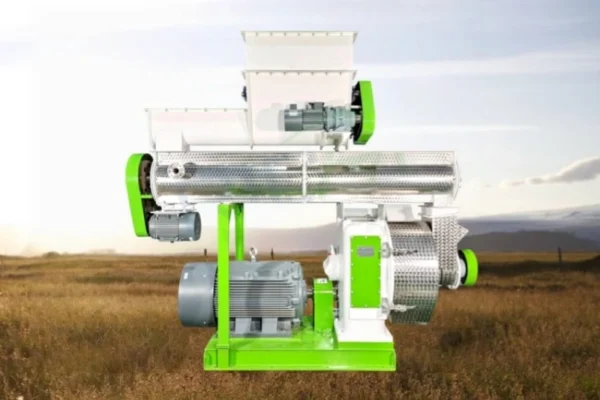
Quality control is one of the easiest claims for an equipment supplier to make and one of the hardest for a buyer to verify from a quotation. A manufacturer may say that every machine is inspected, but that statement is meaningful only if inspection is connected to drawings, specifications, calibrated tools, documented checkpoints, responsible personnel,…