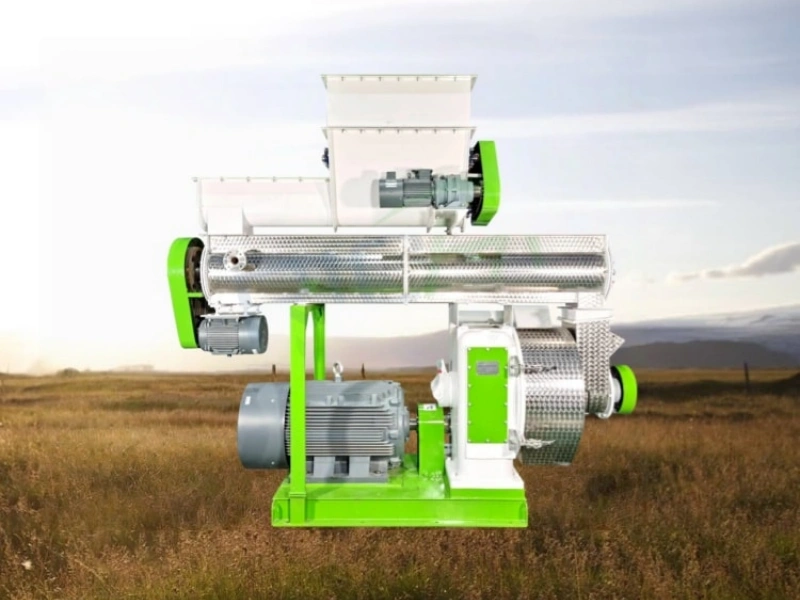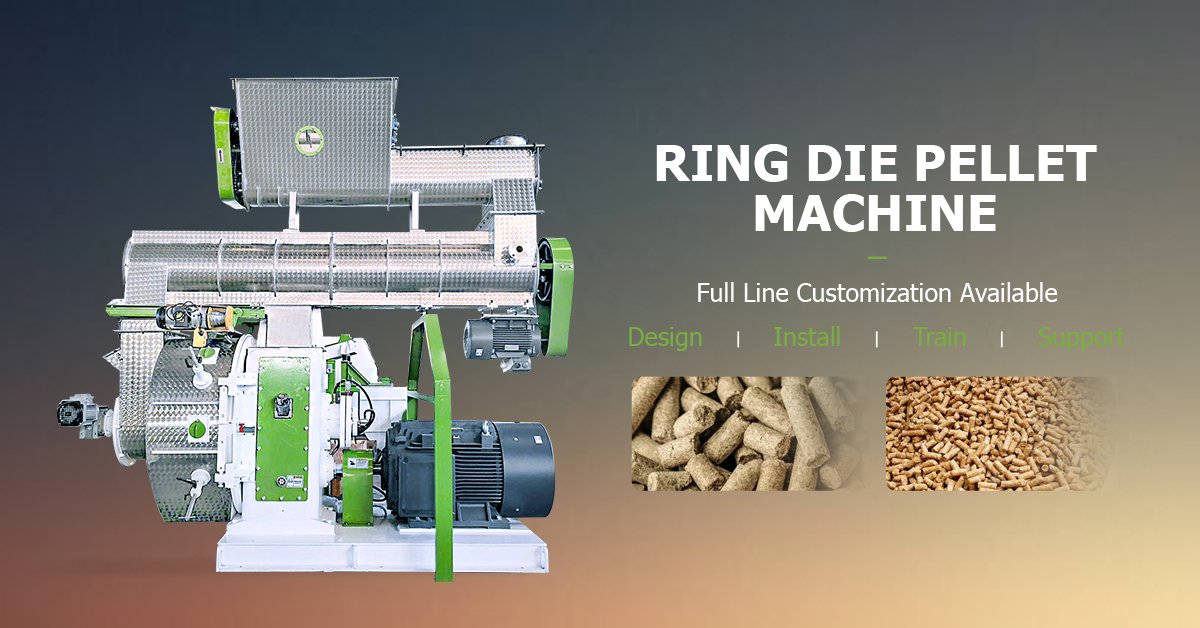

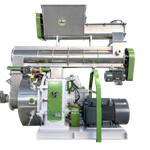
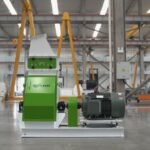




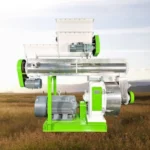

Large agricultural regions can generate enormous quantities of corn residue. When collection systems and markets are sufficiently developed, these materials can support commercial biomass pellet production. At this scale, a corn stalk pellet machine must be considered as part of a coordinated industrial process capable of handling substantial material volumes.
Choosing a high capacity straw pellet machine is therefore not simply a matter of selecting the largest available model. The entire production system must be capable of supporting the machine.
High Capacity Starts With Raw Material
The first limitation in any biomass plant is often not the pellet mill but the feedstock supply.
A high-output factory needs enough corn stalks throughout its planned operating period. Seasonal production may require large storage facilities or a diversified raw material strategy.
Collection efficiency also matters. If agricultural residues are scattered across a wide region, transportation costs can rise quickly. A high-capacity plant may therefore benefit from strategically located collection centers or close relationships with agricultural producers.
Preparing Large Volumes of Straw
Industrial-scale preparation needs to maintain consistent material quality. Crushers and shredders must process enough material to keep the pellet mill supplied.
Drying can become one of the most important stages if incoming straw has high moisture. A large pellet mill cannot compensate for insufficiently prepared feedstock.
The drying system should therefore be sized according to actual moisture conditions and required throughput. Energy consumption also needs to be included in the project economics.
Keeping the Pellet Mill Supplied
A high-capacity pellet mill requires stable feeding. Material should arrive continuously and evenly at the pressing chamber.
If the feed system fluctuates, the machine may experience unstable loading, inconsistent output, or changes in pellet quality.
Automation and monitoring can become increasingly valuable as capacity increases because operators need to supervise several stages simultaneously.
The Importance of the Pressing System
The pellet press is where prepared biomass is converted into a dense product. The die and rollers must withstand continuous pressure and friction.
Wear is unavoidable in a large production environment, so maintenance planning is essential. Operators should monitor wear components before they reach a condition that could cause unexpected downtime.
Spare parts should be available according to the expected maintenance schedule, particularly when the factory is located far from the manufacturer.
Cooling and Storage at Large Scale
High production does not end when pellets leave the die. Fresh pellets must be cooled and stabilized before long-term storage.
The cooling system should be capable of handling the same general production flow as the pellet mill. Otherwise, pellets may accumulate around the discharge area and create a bottleneck.
Storage also needs careful planning. Large quantities of finished pellets require appropriate protection from moisture and contamination.
Selling the Output
A high-capacity plant needs a market large enough to absorb its production. This could involve industrial biomass fuel users, heating businesses, distributors, agricultural customers, or other regional markets.
Before investing in large equipment, the operator should understand product specifications expected by buyers. Pellet diameter, moisture, durability, packaging, and delivery method can all influence commercial acceptance.
The production target should be connected to actual sales potential rather than based solely on the maximum output of the machine.
Designing for Reliability
Large equipment can produce significant volumes, but downtime also becomes more expensive as capacity increases.
For this reason, preventive maintenance, spare parts management, operator training, and process monitoring should be integrated into the project from the beginning.
Investors can click to investigate additional information when comparing biomass processing technologies, but project decisions should always be based on verified technical data and actual feedstock conditions.
A Scalable Biomass Opportunity
High-capacity corn stalk pellet production can create a commercial pathway for agricultural residues that would otherwise remain underutilized. The opportunity becomes stronger when raw material collection, processing technology, energy use, storage, and customer demand are planned together.
A successful large-scale facility is not defined only by the size of its pellet mill. It is defined by the stability of the entire system surrounding it.
When preparation, pressing, cooling, storage, and distribution are properly coordinated, agricultural residues can be transformed into a standardized biomass product with greater logistical and commercial value.
view details: https://www.richimanufacture.com/corn-stalk-pellet-machine/