






Biomass fuel pellets have become one of the most promising renewable energy solutions in the global transition toward cleaner and more sustainable energy systems. As countries and industries strive to reduce carbon emissions and dependence on fossil fuels, biomass energy has gained significant attention as a practical, scalable, and environmentally friendly alternative.
Biomass fuel pellets are made by compressing agricultural residues, forestry waste, and organic materials into dense, uniform cylinders. These pellets are widely used for heating, electricity generation, industrial boilers, and even combined heat and power systems. Their popularity continues to grow due to their high energy density, low emissions, and renewable nature.
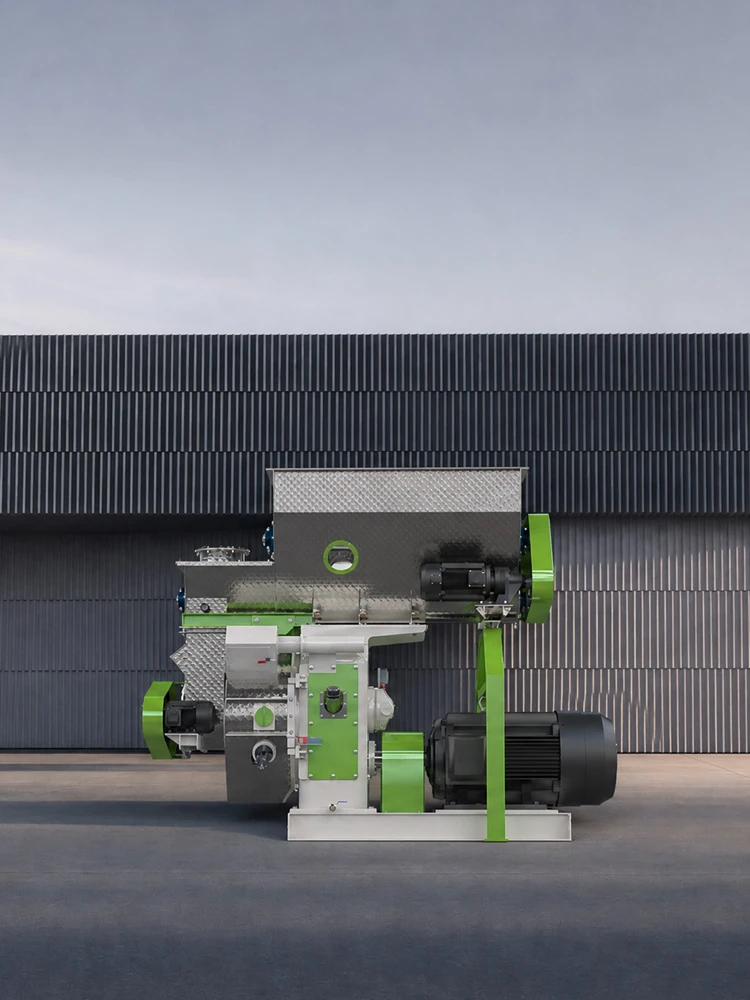
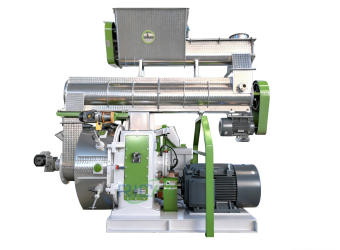
Modern production relies on advanced equipment such as the biomass pellet mill and the peanut shell pellet machine, which allow efficient conversion of agricultural waste into clean-burning fuel.
This article explores in detail how biomass fuel pellets support clean energy use, including raw material utilization, production technology, environmental benefits, economic impact, and future energy trends.
1. Understanding Biomass Fuel Pellets
Biomass fuel pellets are solid fuel products made from compressed organic materials.
Common raw materials include:
- Wood chips
- Sawdust
- Rice husks
- Straw
- Corn stalks
- Peanut shells
- Palm residues
- Agricultural by-products
These materials are renewable and widely available, making biomass pellets a sustainable energy source.
1.1 Why Pellet Form Is Important
Converting biomass into pellets improves:
- Energy density
- Combustion efficiency
- Storage stability
- Transportation convenience
Compared to raw biomass, pellets are cleaner and more efficient to use.
2. The Role of Biomass Energy in Clean Energy Systems
Biomass energy is considered a carbon-neutral energy source because:
- Plants absorb CO₂ during growth
- The same CO₂ is released during combustion
- Net carbon impact is significantly lower than fossil fuels
2.1 Why Biomass Is Important for Clean Energy
Biomass helps:
- Reduce greenhouse gas emissions
- Replace coal and oil
- Diversify energy sources
- Support rural economies
3. Biomass Pellet Mill and Its Role in Clean Energy Production
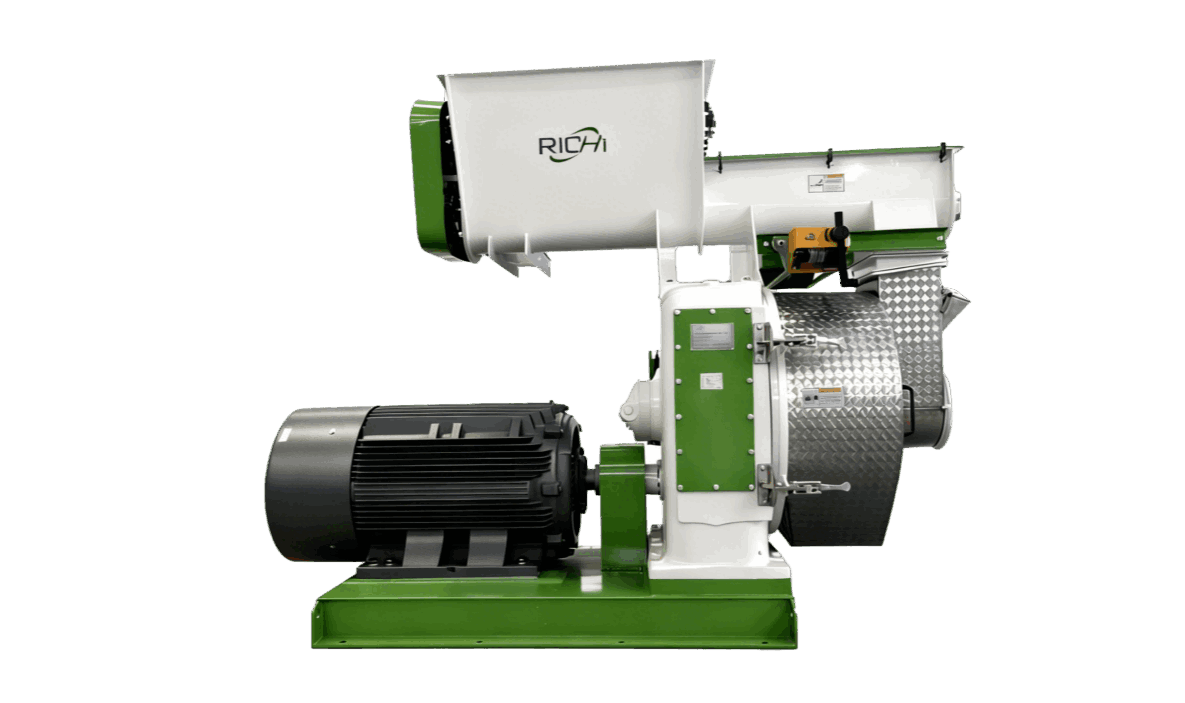
The biomass pellet mill is the core machine used in biomass fuel pellet production.
https://pelletisingmachine.com/biomass-pellet-mill
3.1 Working Principle
The biomass pellet mill operates by:
- Feeding raw biomass material into the machine
- Compressing materials under high pressure
- Forcing material through a die
- Forming dense cylindrical pellets
3.2 Importance in Energy Production
The biomass pellet mill ensures:
- Uniform pellet size
- High density fuel
- Stable combustion performance
- Efficient energy output
3.3 Advantages of Biomass Pellet Mill
- High production efficiency
- Suitable for various raw materials
- Low operating cost
- Continuous production capability
3.4 Contribution to Clean Energy
By improving pellet quality, the biomass pellet mill helps:
- Reduce emissions during combustion
- Increase energy efficiency
- Replace fossil fuel usage
4. Peanut Shell Pellet Machine and Agricultural Waste Utilization
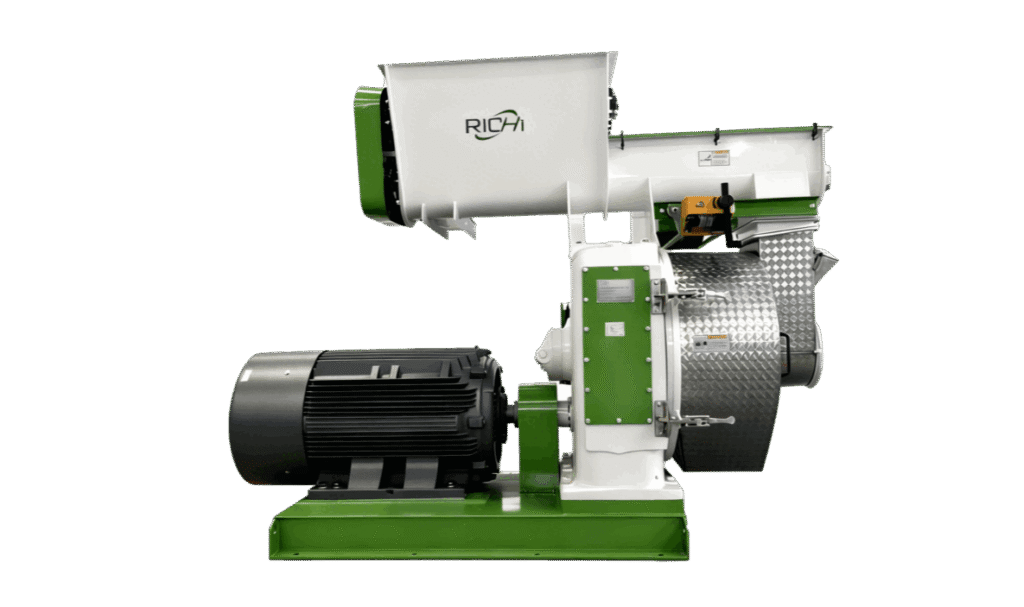
The peanut shell pellet machine plays an important role in converting agricultural waste into valuable clean energy.
4.1 Why Peanut Shells Are Valuable
Peanut shells are:
- Abundant agricultural waste
- High in lignocellulosic content
- Suitable for biomass fuel production
4.2 Function of Peanut Shell Pellet Machine
This machine processes peanut shells by:
- Crushing and drying raw shells
- Compressing material into pellets
- Producing uniform fuel products
4.3 Benefits in Clean Energy Production
Using peanut shell pellet machines allows:
- Waste reduction
- Renewable energy generation
- Lower fuel production costs
- Efficient resource utilization
4.4 Environmental Impact
- Reduces agricultural burning
- Lowers air pollution
- Converts waste into clean fuel
5. Energy Efficiency of Biomass Pellets
Biomass pellets are highly efficient energy sources.
5.1 High Energy Density
Pellets provide:
- More energy per unit volume than raw biomass
- Compact fuel for transportation
- Consistent combustion output
5.2 Clean Combustion Characteristics
Biomass pellets burn:
- With low smoke
- With reduced ash content
- With stable heat output
5.3 Reduced Moisture Content
Pelletizing reduces moisture, improving:
- Ignition efficiency
- Burning stability
- Heat production
6. Environmental Benefits of Biomass Fuel Pellets
Biomass pellets contribute significantly to environmental protection.
6.1 Reduction of Carbon Emissions
Compared to fossil fuels:
- Lower net CO₂ emissions
- Carbon-neutral lifecycle
- Reduced greenhouse gas impact
6.2 Waste Recycling
Biomass pellets convert:
- Agricultural residues
- Forestry waste
- Food processing by-products
into usable energy.
6.3 Reduction of Air Pollution
Pellet fuel produces:
- Less particulate matter
- Reduced sulfur emissions
- Cleaner combustion
7. Role in Replacing Fossil Fuels
Biomass pellets are increasingly replacing coal and oil.
7.1 Industrial Applications
- Boilers
- Power plants
- Heating systems
7.2 Residential Use
- Home heating
- Cooking fuel
- Small-scale energy systems
7.3 Benefits Over Coal
- Lower emissions
- Renewable source
- More sustainable supply chain
8. Economic Advantages of Biomass Pellet Production
Biomass pellets also provide strong economic benefits.
8.1 Low Raw Material Cost
Many raw materials are:
- Agricultural waste
- Industrial by-products
- Low-cost biomass resources
8.2 Value Addition
Waste materials are converted into:
- Marketable energy products
- Exportable commodities
- Industrial fuel
8.3 Profitability of Pellet Production
Profit comes from:
- Low-cost inputs
- High-value output
- Strong energy demand market
9. Integration of Biomass Pellet Mill in Production Lines
The biomass pellet mill is part of a larger production system.(why not check here)
9.1 Production Line Components
- Crushing system
- Drying system
- Mixing system
- biomass pellet mill
- Cooling system
- Packaging system
9.2 System Efficiency
Integrated systems ensure:
- Continuous production
- Stable quality output
- Reduced labor cost
10. Role of Peanut Shell Pellet Machine in Industrial Systems
The peanut shell pellet machine is often used in specialized biomass plants.
10.1 Industrial Applications
- Agricultural waste recycling plants
- Biomass fuel factories
- Renewable energy projects
10.2 Efficiency Benefits
- High throughput
- Stable performance
- Low maintenance requirements
11. Challenges in Biomass Pellet Production
Despite advantages, challenges exist.
11.1 Raw Material Variability
- Moisture differences
- Seasonal availability
- Quality inconsistency
11.2 Equipment Wear
- High-pressure operation
- Die and roller wear
- Maintenance requirements
11.3 Energy Consumption
- Electricity needed for compression
- Optimization required for cost control
12. Solutions to Improve Efficiency
12.1 Proper Raw Material Preparation
- Drying
- Crushing
- Sorting
12.2 Advanced Machinery
Using equipment like:
- biomass pellet mill
- peanut shell pellet machine
improves production efficiency.
12.3 Automation Systems
- Reduce labor costs
- Improve consistency
- Enhance productivity
13. Global Market Trends for Biomass Pellets
The global demand for biomass energy is rapidly increasing.
13.1 Key Markets
- Europe
- North America
- Asia-Pacific
13.2 Growth Drivers
- Climate change policies
- Renewable energy targets
- Fossil fuel reduction goals
14. Future Development of Biomass Energy
The future of biomass fuel pellets is promising.
14.1 Technological Innovations
- Smart biomass plants
- AI-based production systems
- Energy-efficient machinery
14.2 Expansion of Applications
Biomass pellets will increasingly be used in:
- Industrial energy systems
- Electricity generation
- Green heating networks
Conclusion
Biomass fuel pellets play a crucial role in supporting clean energy use by converting agricultural and organic waste into efficient, renewable fuel sources. They reduce environmental pollution, improve energy efficiency, and contribute to global efforts to transition away from fossil fuels.
Key equipment such as the biomass pellet maker and the peanut shell pellet machine enables efficient production of high-quality biomass pellets from diverse raw materials. These machines ensure stable output, improved energy density, and cost-effective production.
As the world continues to move toward sustainable energy systems, biomass fuel pellets will remain a key component of clean energy development, offering both environmental and economic benefits for a greener future.