







Introduction
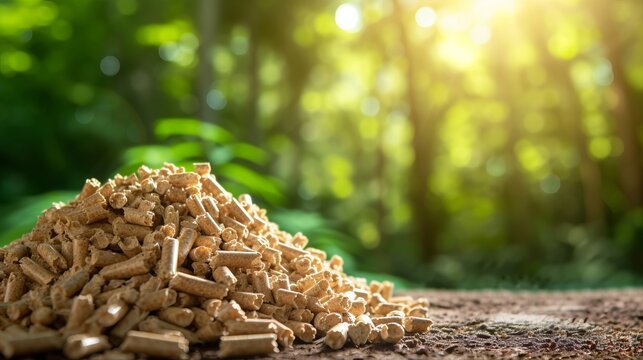
The increasing demand for renewable energy has encouraged industries around the world to search for cleaner and more efficient alternatives to fossil fuels. Among various biomass resources, sawdust has become one of the most valuable raw materials for producing renewable energy because it is widely available, easy to process, and rich in organic matter. Traditionally considered a waste product from sawmills and woodworking industries, sawdust can now be transformed into high-quality fuel pellets through advanced pelletizing technology.
Sawdust pelletizing is a process that converts loose wood residues into dense, uniform, and energy-rich pellets. These pellets can be used for residential heating, industrial boilers, power generation, and combined heat and power systems. By turning waste materials into renewable fuel, sawdust pellet production helps reduce environmental pollution, improve resource utilization, and create new economic opportunities for businesses.
A modern sawdust pellet production system relies on specialized equipment, among which the sawdust pellet machine plays a central role. This machine compresses prepared sawdust under high pressure and temperature, forming durable pellets with excellent combustion performance. With the development of biomass energy technology, sawdust pelletizing has become an important solution for achieving sustainable energy production.
The Growing Problem of Sawdust Waste
The global woodworking industry produces millions of tons of sawdust every year. Sawmills, furniture factories, timber processing plants, and construction industries generate large quantities of wood residues during cutting, grinding, and shaping processes. Although sawdust is a natural biomass resource, improper disposal can create several environmental challenges.
In many areas, sawdust is burned openly or dumped into landfills. Open burning releases smoke, particulate matter, and greenhouse gases, contributing to air pollution. When accumulated in large quantities, sawdust waste also occupies valuable land resources and may create fire hazards due to its highly combustible characteristics.
However, sawdust contains significant amounts of stored energy. Wood naturally captures solar energy through photosynthesis and stores it as chemical energy. Instead of treating sawdust as waste, industries can recover this energy by converting it into biomass fuel pellets.
Pelletizing provides an effective method to transform scattered sawdust into a valuable energy product. Through compression and densification, low-density waste materials become a convenient fuel source suitable for transportation, storage, and combustion.
What Is Sawdust Pelletizing?
Sawdust pelletizing is the process of compressing fine wood particles into small cylindrical pellets. During this process, loose sawdust passes through a pellet mill where mechanical pressure forces the material through specially designed holes in a die. The friction generated during compression increases the temperature of the material, activating the natural lignin contained in wood.
Lignin works as a natural binder, helping sawdust particles stick together without requiring additional chemical additives. After leaving the pellet mill, the hot pellets are cooled and stabilized before being screened and packaged.
The basic sawdust pelletizing process usually includes:
- Raw material preparation
- Sawdust grinding
- Moisture adjustment
- Pellet compression
- Cooling
- Screening
- Packaging and storage
Each stage contributes to producing pellets with consistent size, high density, and strong durability.
https://richipelletizer.com/wood-pellet-line
How Sawdust Pelletizing Converts Waste into Energy
The transformation from sawdust waste to renewable energy involves several important physical changes. Loose sawdust has low bulk density, which makes it difficult and expensive to transport. Pelletizing increases its density significantly, allowing more energy to be stored in a smaller volume.
During compression, sawdust particles are tightly bonded together. The resulting pellets have higher energy concentration compared with raw sawdust. This makes them suitable for automated feeding systems and efficient combustion equipment.
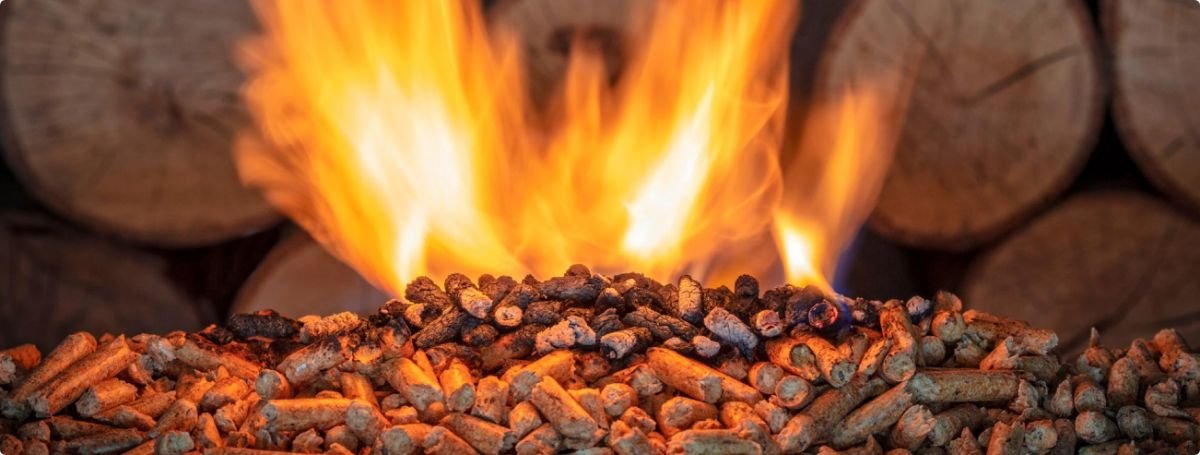
When burned in biomass boilers or pellet stoves, sawdust pellets release heat energy while producing significantly lower emissions compared with many fossil fuels. Because the carbon released during combustion is part of the natural carbon cycle of trees, sustainably sourced wood pellets are considered a renewable energy option.
The energy conversion process can be summarized as:
Sawdust waste → Processing → Pelletizing → Biomass fuel pellets → Heat and power generation
This simple transformation allows industries to recover energy from materials that would otherwise have little economic value.
The Role of Sawdust Pellet Machine in Biomass Energy Production
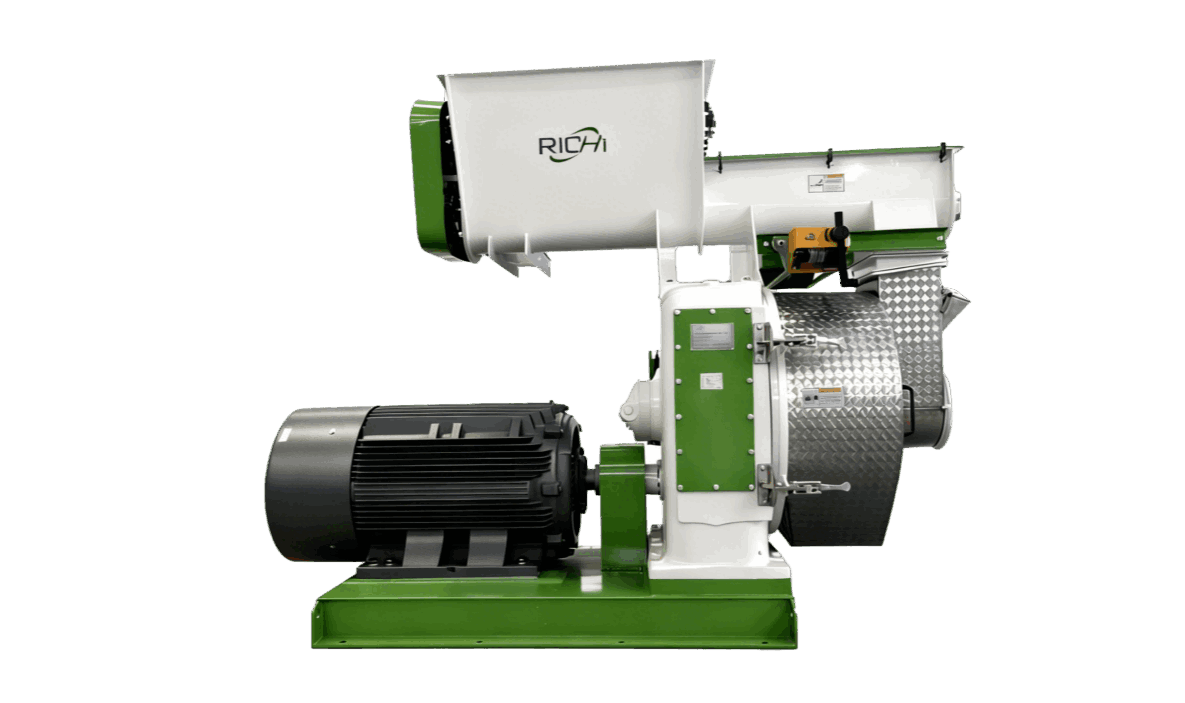
The core equipment in sawdust pellet production is the sawdust pellet machine. It is designed to efficiently compress wood residues into high-density fuel pellets while maintaining stable production performance.
A professional sawdust pellet machine usually consists of key components such as the feeding system, conditioning system, pressing chamber, ring die, rollers, transmission system, and discharge system. Each component works together to ensure continuous and reliable pellet production.
The main functions of a sawdust pellet machine include:
1. High-pressure densification
The machine applies mechanical pressure to compress loose sawdust particles. This process removes air spaces between particles and increases pellet density.
2. Uniform pellet formation
Through carefully designed dies and rollers, the machine produces pellets with consistent diameter and length. Uniform pellets improve combustion efficiency and reduce fuel feeding problems.
3. Improved energy efficiency
Dense pellets contain more energy per unit volume than untreated sawdust. This improves transportation efficiency and reduces storage requirements.
4. Stable industrial production
Modern pellet machines are designed for continuous operation, making them suitable for small biomass fuel businesses as well as large-scale pellet plants.
With proper configuration, a sawdust pellet machine can process different types of wood residues, including pine sawdust, hardwood sawdust, wood chips, and other clean biomass materials.
Advantages of Sawdust Pellets as Renewable Fuel
Sawdust pellets offer multiple advantages compared with traditional fuels and untreated biomass waste.
High Energy Density
Raw sawdust is lightweight and bulky, making transportation inefficient. Pelletizing increases density, allowing more energy to be stored and transported in a smaller space.
Easy Storage and Transportation
Sawdust pellets have a uniform shape and low moisture content, making them easier to handle compared with loose biomass materials. They can be stored in warehouses, silos, or bulk storage systems.
Cleaner Combustion
Compared with coal and other fossil fuels, sawdust pellets produce lower sulfur emissions and fewer pollutants. They are widely used as an environmentally friendly fuel option.
Better Resource Utilization
Pelletizing helps industries maximize the value of wood waste. Instead of paying for waste disposal, companies can generate additional income by producing biomass fuel.
Renewable Energy Source
When forests are managed responsibly, wood biomass can be continuously regenerated. This makes sawdust pellets an important component of renewable energy strategies.
Applications of Sawdust Pellets
Sawdust pellets are used in many energy applications worldwide.
Residential Heating
Many households use wood pellets in pellet stoves and boilers for heating. Their consistent size allows automatic feeding and efficient temperature control.
Industrial Boilers
Factories use sawdust pellets as a replacement for coal, natural gas, or oil in industrial heating systems. Industries such as food processing, textile manufacturing, and chemical production can benefit from biomass fuel conversion.
Power Generation
Large-scale biomass power plants burn wood pellets to produce electricity. Sawdust pellets provide a stable fuel supply for renewable power generation.
Combined Heat and Power Systems
Some facilities use biomass pellets to generate both electricity and heat, improving overall energy efficiency.
Environmental Benefits of Sawdust Pellet Production
One of the greatest advantages of sawdust pelletizing is its positive environmental impact.
First, it reduces waste accumulation. Instead of sending sawdust to landfills, pellet production creates a useful energy product.
Second, it decreases dependence on fossil fuels. Replacing coal and petroleum-based fuels with biomass pellets helps reduce greenhouse gas emissions.
Third, it supports a circular economy. Wood processing waste becomes a valuable resource, creating a sustainable connection between forestry, manufacturing, and energy industries.
In addition, efficient pellet combustion produces less ash and fewer harmful emissions when compared with traditional biomass burning methods.
Factors Affecting Sawdust Pellet Quality
Producing high-quality sawdust pellets requires careful control of several factors.
Raw Material Quality
Clean sawdust without excessive bark, dirt, or contaminants produces better pellets. Different wood species may also influence pellet hardness and combustion characteristics.
Moisture Content
Moisture plays an important role in pellet formation. If sawdust is too dry, pellets may become fragile. If moisture is too high, production efficiency and combustion performance may decrease.
Generally, properly prepared sawdust with suitable moisture content produces stronger pellets.
Particle Size
Fine and uniform particles improve bonding during compression. A hammer mill or grinder is often used before pelletizing to achieve the required particle size.
Machine Performance
The quality of the pellet machine directly affects pellet density, durability, and production capacity. Reliable equipment helps maintain consistent output and reduce downtime.
Building a Sawdust Pellet Production Business
With increasing demand for renewable fuels, investing in sawdust pellet production can provide attractive business opportunities. Many sawmills and wood processing companies choose to install pellet production systems to convert their waste into additional revenue.
A complete sawdust pellet production line may include:
- Raw material receiving system
- Crusher or hammer mill
- Drying equipment
- Material conveying system
- Sawdust pellet machine
- Pellet cooler
- Screening machine
- Packaging system
The design of the production line depends on raw material conditions, production capacity, and final product requirements.
Small businesses may start with compact pellet equipment, while large biomass fuel manufacturers often require complete automated production plants.
Future Development of Sawdust Pelletizing Technology
As countries continue to develop renewable energy policies, the demand for biomass fuel is expected to increase. Sawdust pelletizing technology will continue improving through automation, energy efficiency optimization, and intelligent control systems.
Future pellet plants will focus on reducing production costs, improving energy efficiency, and increasing the utilization of various biomass wastes. Advanced equipment will allow manufacturers to process more types of raw materials and produce higher-quality fuel pellets.
Digital monitoring systems, automatic production control, and improved mechanical designs will make pellet production more reliable and profitable.
Conclusion
Sawdust pelletizing provides an effective way to transform wood waste into valuable renewable energy. By compressing loose sawdust into dense fuel pellets, industries can reduce waste, create new revenue streams, and contribute to a cleaner energy future.
The sawdust wood pellet maker serves as the key technology in this transformation, enabling efficient conversion of biomass residues into high-quality fuel products. From residential heating to industrial power generation, sawdust pellets demonstrate how waste materials can become an important part of sustainable energy systems.
As global demand for renewable energy continues to grow, sawdust pelletizing will remain a practical and environmentally friendly solution for turning unused biomass resources into reliable energy.