




Introduction to Shrimp Feed Manufacturing Technology
The rapid growth of aquaculture has created increasing demand for high-quality aquatic feed solutions. Shrimp farming requires feed products with balanced nutrition, strong water stability, and suitable pellet sizes to support healthy growth and improve farming efficiency.
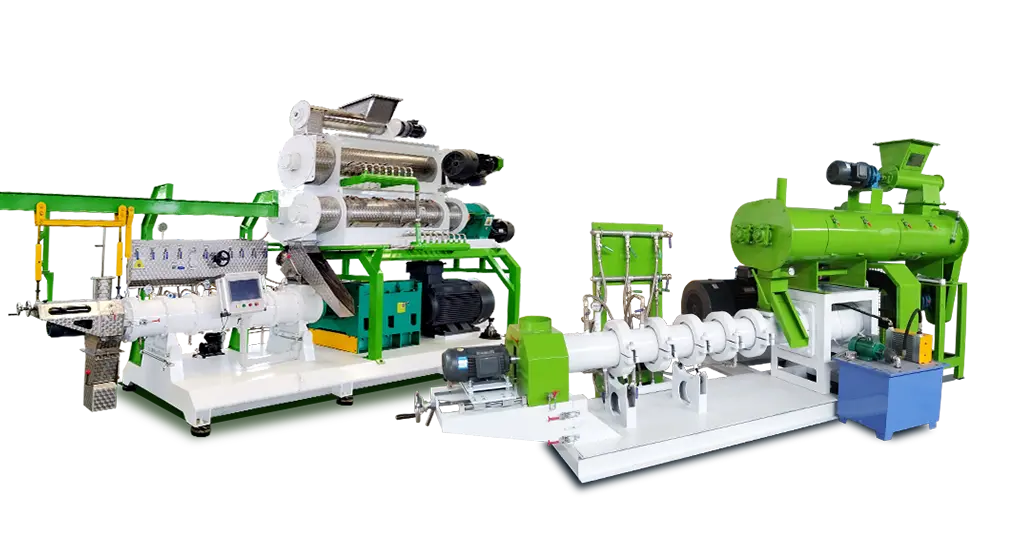
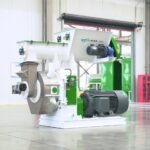
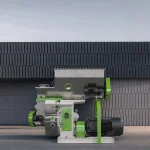
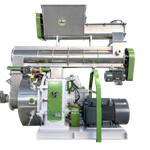
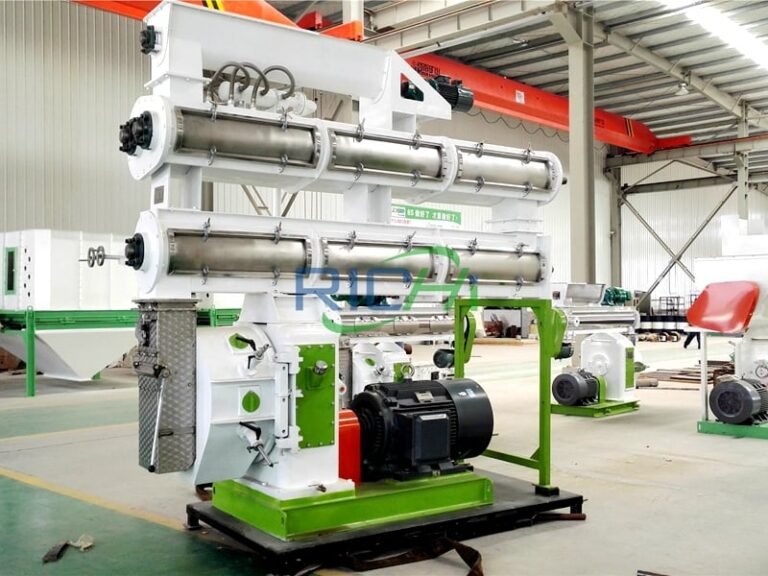
A modern shrimp feed pellet machine provides an effective solution for producing high-quality shrimp feed pellets. By using advanced extrusion and pelletizing technology, manufacturers can process various raw materials into floating or sinking feed products that meet the nutritional needs of different aquatic species.
Efficient feed production equipment helps aquaculture companies improve production capacity, reduce operating costs, and maintain consistent feed quality. As shrimp farming continues expanding worldwide, reliable feed processing technology has become an essential part of successful aquaculture operations.
The Importance of Professional Shrimp Feed Production Equipment
Improving Feed Quality and Aquaculture Performance
Feed quality directly affects shrimp growth, survival rates, and farming profitability. Poor-quality feed may result in nutrient loss, water pollution, and reduced production efficiency.
Advanced feed pellet equipment helps manufacturers control pellet size, density, and nutritional stability. Properly processed shrimp feed can maintain its structure in water while allowing shrimp to consume nutrients effectively.
Modern production systems are designed to process different formulas, including protein-rich ingredients, fish meal alternatives, grains, and other nutritional additives. This flexibility allows feed manufacturers to create products suitable for different shrimp farming conditions.
Supporting Large-Scale Feed Manufacturing
As aquaculture farms become larger, the demand for efficient feed production continues to increase. Small-scale manual production methods cannot meet the requirements of commercial shrimp farming.
A complete feed production system allows manufacturers to achieve continuous operation, stable output, and improved production efficiency. Equipment selection should be based on raw material characteristics, production capacity, and final feed requirements.
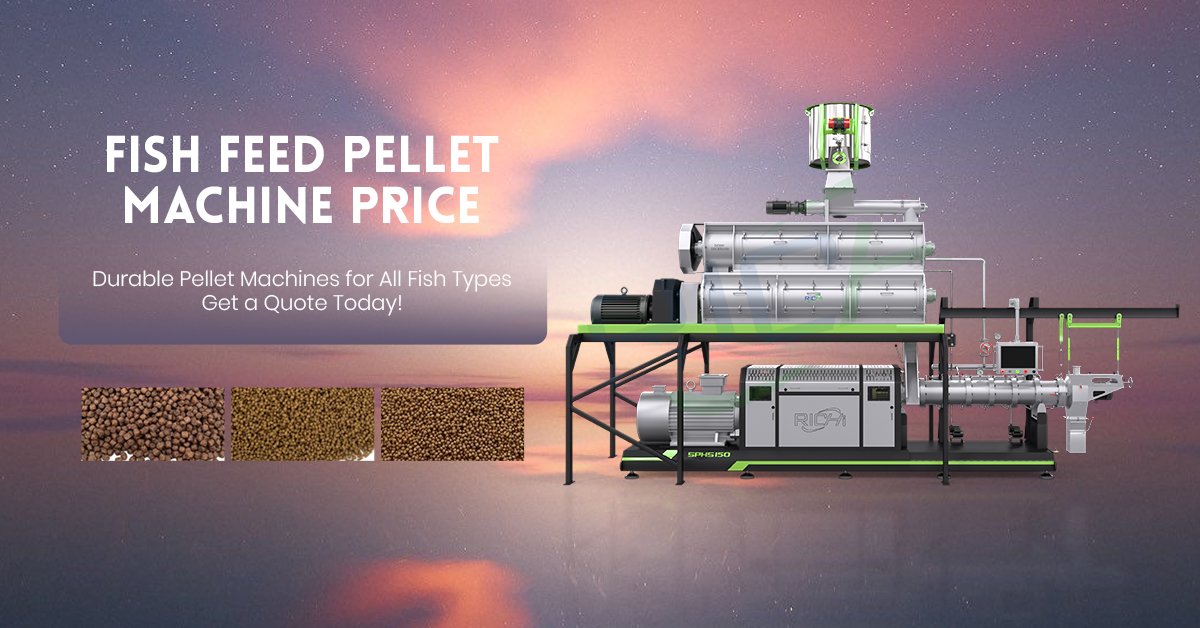
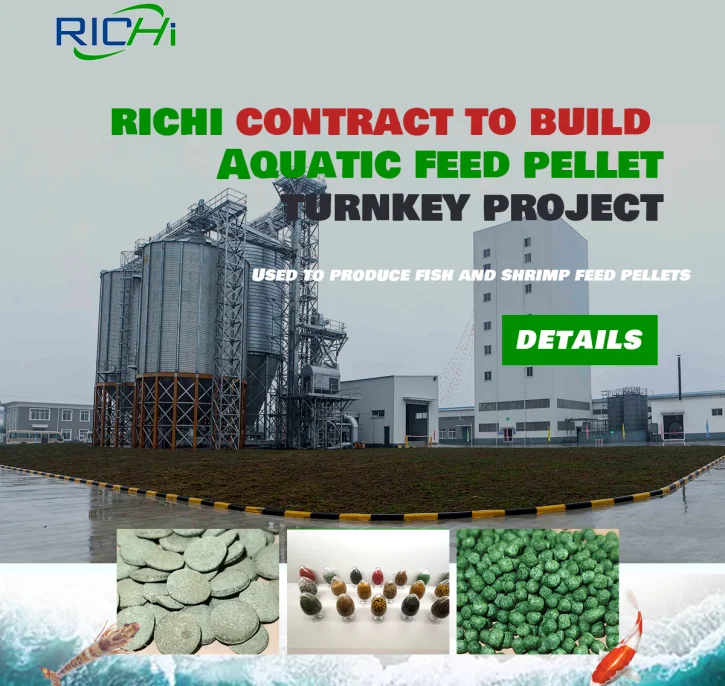
For companies planning commercial feed projects, a 1-40T/H floating fish production line can provide flexible production capacity options for manufacturing different aquatic feed products, including floating fish feed and shrimp feed.
How Shrimp Feed Pellet Machines Work
Raw Material Preparation
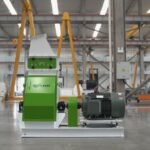
The production process begins with preparing feed ingredients. Different raw materials are measured, crushed, and mixed according to the required feed formula.
Grinding helps improve ingredient consistency, while mixing ensures that nutrients are evenly distributed throughout the feed mixture. Proper preparation directly affects pellet quality and feeding performance.
Advanced production systems often include automated feeding, weighing, and mixing equipment to improve accuracy and reduce manual operation requirements.
Extrusion and Pellet Formation
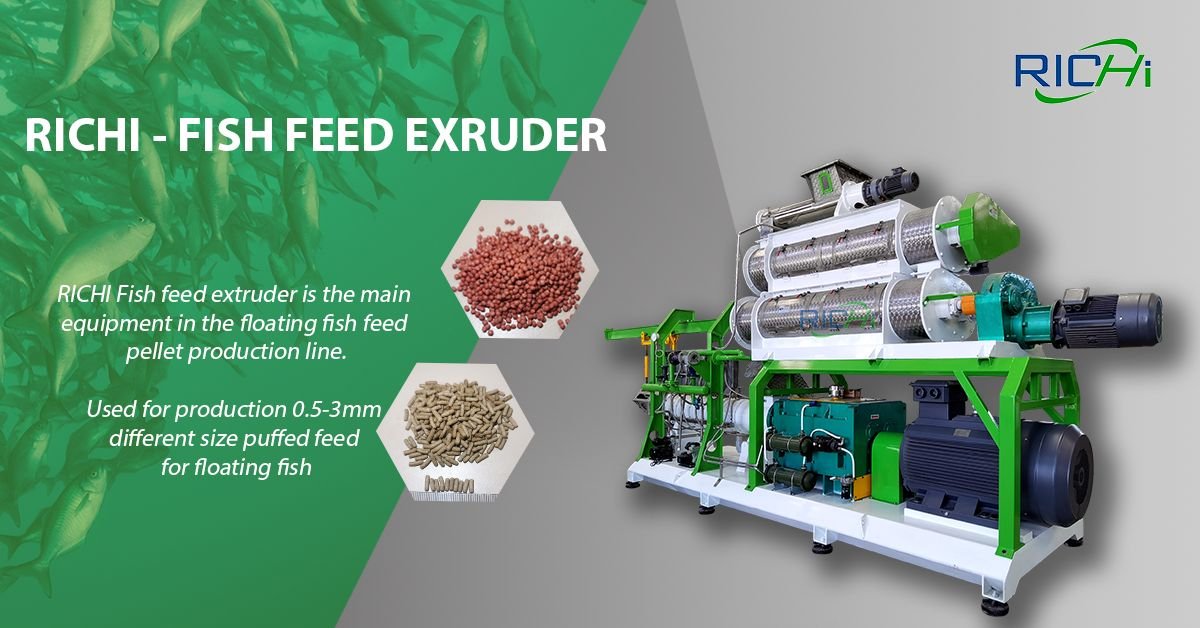
During the extrusion process, feed materials are processed under controlled temperature, pressure, and moisture conditions. The machine forms the mixture into uniform pellets with suitable texture and water stability.
The finished shrimp feed can be customized according to different requirements, including floating ability, pellet diameter, hardness, and nutritional composition.
Cooling and drying systems are usually added after pellet formation to improve storage stability and maintain product quality.
Advantages of Using Advanced Shrimp Feed Equipment
Producing Stable and High-Quality Feed Products
One of the main advantages of professional feed equipment is the ability to maintain consistent product quality. Uniform pellet size helps shrimp consume feed efficiently and reduces waste during farming.
Stable feed quality also improves customer confidence for commercial feed producers. Manufacturers can develop different product lines according to market demand.
Improving Production Efficiency
Automation and advanced processing technology allow feed manufacturers to increase output while reducing production costs. Modern equipment provides better control over each stage of the manufacturing process.
From raw material handling to final packaging, an integrated system improves workflow efficiency and reduces production interruptions.
Choosing the Right Aquatic Feed Production Solution
Evaluating Production Requirements
Selecting suitable feed processing equipment requires consideration of several factors, including production scale, target species, factory conditions, and investment plans.
Small feed producers may require compact machinery, while large aquaculture enterprises often need complete production lines with higher automation levels.
A professional equipment supplier can analyze customer requirements and recommend suitable solutions based on actual production goals.
Working with Experienced Feed Equipment Manufacturers
Reliable manufacturers provide more than machinery. They offer engineering design, installation guidance, technical training, and after-sales support to ensure stable operation.
Customers looking for more equipment details, technical information, and production examples can go to website to explore additional solutions and machine configurations.
With years of experience in feed processing equipment manufacturing, pellet mill technology providers help aquaculture companies build efficient feed production systems. Professional solutions can support different production scales and meet the requirements of modern aquatic farming.
Applications of Shrimp Feed Pellet Production Systems
Commercial Shrimp Farming
Shrimp feed pellets are widely used in commercial aquaculture farms. High-quality feed helps improve shrimp growth performance and farming efficiency.
Different shrimp growth stages require different feed sizes and nutritional formulas. Flexible pellet production equipment allows manufacturers to produce various feed products according to farming requirements.
Aquatic Feed Manufacturing Businesses
For feed manufacturers, investing in advanced pellet production equipment creates opportunities to expand product categories and enter growing aquaculture markets.
A well-designed production line can produce multiple aquatic feed products, helping companies improve competitiveness and respond to changing customer demands.
Future Trends in Shrimp Feed Production Technology
The future development of shrimp feed manufacturing will focus on automation, energy efficiency, and intelligent production management. Advanced control systems will help manufacturers improve accuracy and reduce operational costs.
At the same time, sustainable aquaculture practices will increase demand for efficient feed solutions. Manufacturers will continue improving equipment designs to support better resource utilization and environmentally responsible production.
For businesses involved in aquatic farming and feed manufacturing, adopting advanced pelletizing technology can provide long-term benefits through improved productivity, better product quality, and stronger market competitiveness.
Conclusion
A shrimp feed pellet machine plays an important role in modern aquaculture by providing efficient and reliable feed production solutions. Through advanced processing technology, manufacturers can produce high-quality shrimp feed while improving production efficiency.
By selecting suitable equipment, designing customized production systems, and working with experienced suppliers, businesses can establish stable feed manufacturing operations. As global aquaculture continues to grow, advanced feed pellet technology will remain essential for supporting sustainable seafood production.
View details: https://www.richimanufacture.com/shrimp-feed-pellet-machine/