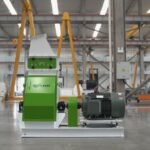




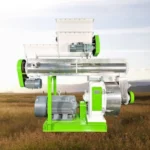

Hemp residues can be processed into compact biomass fuel pellets, but equipment selection should start with the raw material rather than the machine catalogue. Stalks, stems, leaves, and processing residues can have different moisture levels, particle sizes, and fiber characteristics.
For this reason, anyone comparing a hemp pellet making machine for sale should first define the production conditions and then determine which preparation and pelletizing equipment is required.
1. Identify the Hemp Material
The term “hemp residue” can describe several different materials.
Long stalks usually require cutting before crushing. Smaller residues may require less preparation, while material collected directly from fields may contain soil or other foreign matter.
Before selecting equipment, check:
- Raw-material type
- Moisture content
- Initial particle size
- Daily available quantity
- Storage condition
- Desired pellet diameter
These details affect the design of the production process.
2. Consider the Required Capacity
Production capacity should correspond to the actual amount of hemp available.
A small agricultural processor may only need a compact system for several hours of operation each day. A commercial biomass producer may require continuous feeding and higher-capacity equipment.
The capacity of the crusher, dryer, conveyor, pellet mill, cooler, and screener should also be coordinated.
If one section has significantly lower capacity than the pellet mill, it can become a production bottleneck.
3. Moisture Can Change the Equipment Configuration
Moisture is particularly important when processing freshly harvested hemp residues.
Material with excessive moisture may need mechanical drying before pelletizing. Properly dried material may not require a separate drying stage.
This difference can substantially change the equipment list.
A buyer should therefore measure the actual moisture level rather than selecting a dryer simply because it is commonly included in biomass pellet plants.
4. Why Is Crushing Important?
Hemp stalks are generally long and fibrous.
A cutter can reduce the stalk length, while a hammer mill can further reduce the material into particles suitable for pelletizing.
The objective is consistent preparation, not necessarily the finest possible powder.
If the particles are excessively fine, the crushing process may consume more electricity without providing a corresponding improvement in pellet formation.
5. What Pellet Size Is Required?
The intended application determines the appropriate pellet diameter.
Different die specifications can produce different pellet sizes. If the producer expects to supply several markets, interchangeable dies may provide greater flexibility.
The required pellet diameter should therefore be confirmed before the pellet mill is selected.
Pellet length can also be adjusted through the cutting system after the material exits the die.
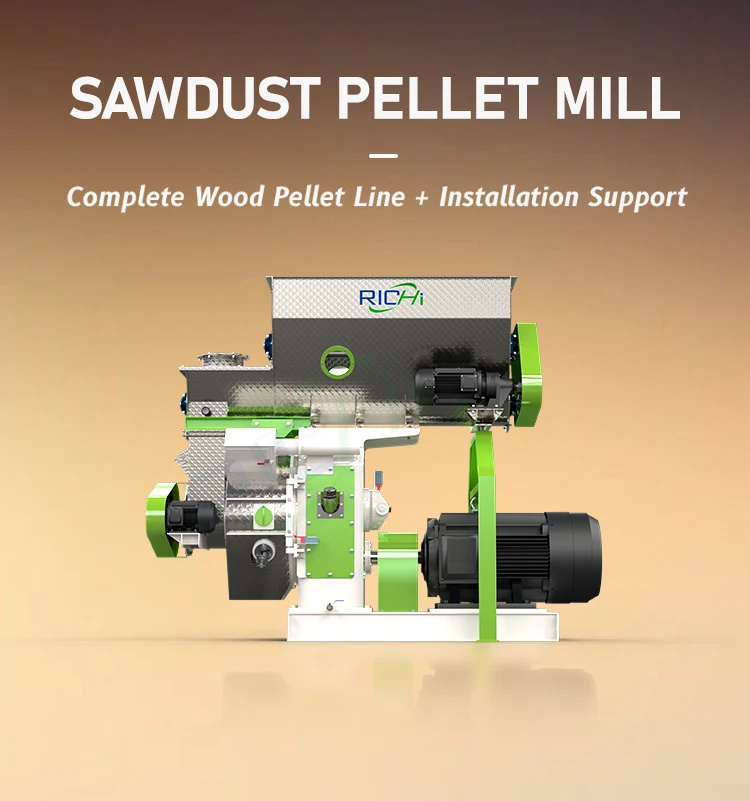
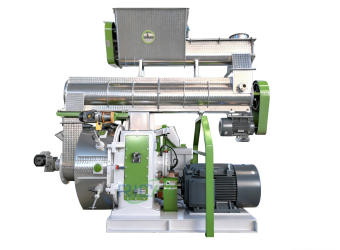
6. How Does the Pellet Mill Work?
Prepared biomass enters the compression chamber, where rollers force the material through holes in the die.
Pressure and friction generate heat, helping the particles bind together into compact pellets.
The performance of this process depends on the raw material, moisture, particle size, die configuration, and operating conditions.
A machine should therefore be selected according to the actual feedstock rather than capacity alone.
7. Can Similar Equipment Process Other Biomass?
Yes, although the operating parameters may differ.
For example, a sunflower shell pellet mill for sale is designed for another agricultural biomass residue. Sunflower shells can differ from hemp in bulk density, particle structure, ash characteristics, and moisture.
Both belong to the same broad biomass pelletizing category, but this does not mean that one machine configuration will automatically provide identical performance with both materials.
Material testing is useful when a plant plans to process several feedstocks.
8. What Equipment Comes Before the Pellet Mill?
A typical hemp biomass process may include:
Hemp Residues → Cutting → Crushing → Drying if Required → Pelletizing
The preparation section should provide the pellet mill with a stable and suitable feedstock.
For small plants, a compact cutter and hammer mill may be sufficient. Larger facilities may require automated conveyors, storage bins, metal separators, and dust-control systems.
9. What Equipment Comes After Pelletizing?
Fresh pellets normally require cooling before storage.
The cooling stage lowers the pellet temperature and helps stabilize the finished product.
A screener then separates fines and broken pellets. Suitable fines can potentially be returned to the production process.
Larger plants may connect these stages with conveyors and automatic storage systems.
10. Should a Small Plant Be Fully Automated?
Not necessarily.
A small producer may begin with manual feeding or packing to keep the initial system simple.
A commercial facility may benefit from automatic conveying, weighing, storage, and packaging.
The appropriate automation level depends on production volume, labor availability, investment plans, and expected future expansion.
11. What Should Be Included in a Quotation?
A useful equipment quotation should clearly identify:
- Machine model
- Capacity
- Main motor power
- Die specification
- Auxiliary equipment
- Electrical requirements
- Cooling system
- Packing method
- Spare parts
- Installation scope
Comparing complete configurations is more meaningful than comparing the price of a single pellet machine.
12. Can the Factory Expand Later?
A well-planned layout can leave space for additional equipment.
For example, a producer may initially operate one pellet mill and later add another machine when raw-material supply increases.
Additional storage, automatic packing, and conveying systems can also be integrated during expansion.
This makes factory layout an important part of the original planning process.
A Practical Production Flow
For many hemp projects, the basic process can be summarized as:
Raw Hemp → Size Reduction → Moisture Adjustment → Pelletizing → Cooling → Screening → Storage/Packing
The exact configuration depends on the material and production target.
A wood pellet mill may use a similar compression principle, but wood residues and hemp biomass still require different preparation considerations.
Before purchasing equipment, buyers should provide representative raw-material information and clearly state the desired output and pellet specifications.
This allows the supplier to design a production system around the actual operating conditions rather than offering a generic configuration. For additional biomass processing information, equipment specifications, and project-planning guidance, consult the available technical resources.
Related Post: https://pelletizerequipment.com/peanut-shell-pellet-machine/