







Why Biomass Pellet Demand Keeps Growing
Many countries are promoting low-carbon energy solutions, and biomass fuel pellets fit perfectly into this trend. Compared with coal, biomass pellets generate lower emissions and make better use of renewable resources.
For wood factories, sawmills, and agricultural enterprises, pellet production also creates an additional source of revenue. Materials that once had little value can now become a commercial fuel product with strong market demand.
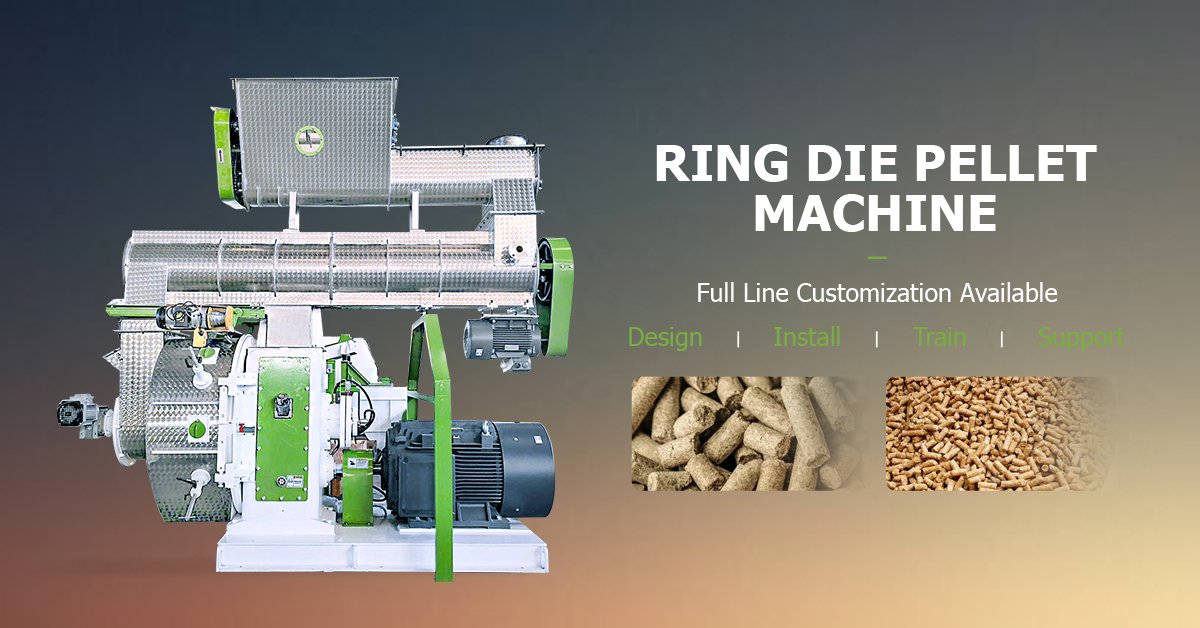
A modern sawdust pellet machine for sale can process:
- Sawdust
- Wood shavings
- Rice husks
- Corn stalks
- Peanut shells
- Bamboo powder
- Crop residues
This flexibility allows producers to adapt to local raw material availability while reducing production costs.
What Makes a Sawdust Pellet Machine Different?
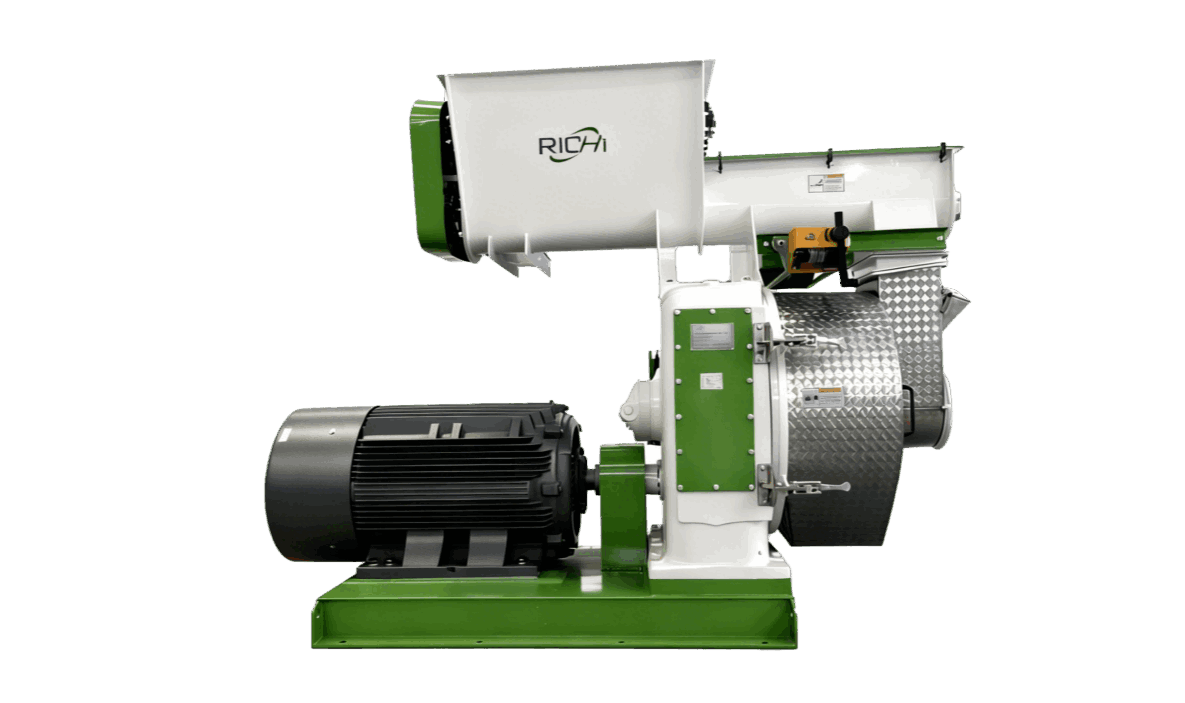
Unlike ordinary feed pellet equipment, biomass pellet machines require stronger compression systems and higher wear resistance. Wood fiber contains lignin, which naturally binds the material together under high temperature and pressure during pelletizing.
This process produces durable pellets with smooth surfaces and high density. Advanced systems also improve energy efficiency and reduce maintenance downtime.
Many biomass investors compare biomass equipment with feed processing equipment like straw pellet mill solutions because both industries involve pellet forming technology. However, biomass pellet production typically demands higher pressure and more robust ring die structures due to the hardness of raw materials.
Flexible Production for Different Industries
One major advantage of biomass pellet technology is its adaptability. Small workshops can start with compact pellet machines, while large-scale factories can install fully automated pellet production lines.
In addition to fuel production, pelletizing technology is expanding into other industries. For example, some manufacturers that initially invested in biomass systems later diversified into pet product manufacturing using Cat Litter Pellet Machine equipment. Since both systems share similar granulation principles, companies can expand their product lines more easily.
This diversification helps businesses reduce market risks while improving equipment utilization throughout the year.
How Automation Improves Profitability
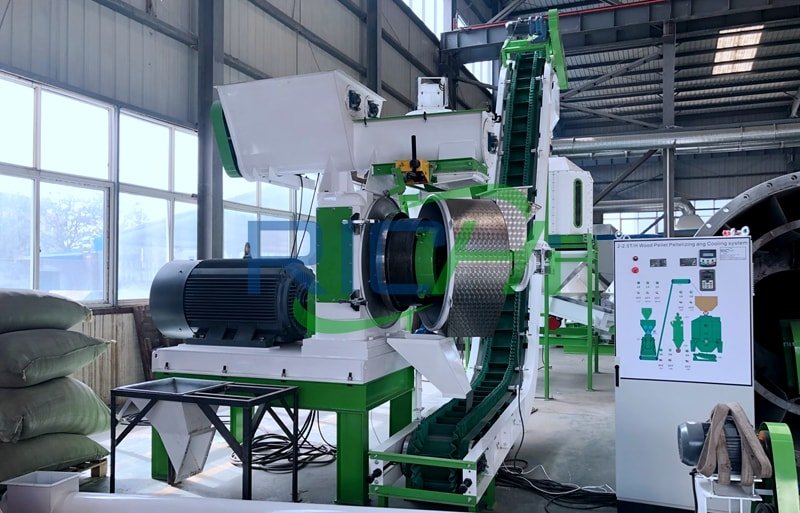
Modern pellet plants are no longer dependent on heavy manual labor. Automated feeding, drying, pelletizing, cooling, and packaging systems greatly improve production efficiency.
A complete biomass pellet line can help operators:
- Reduce labor costs
- Maintain stable pellet quality
- Lower energy consumption
- Increase daily output
- Improve long-term profitability
For investors entering the biomass industry for the first time, choosing reliable equipment suppliers is extremely important. Professional manufacturers provide customized layouts, raw material analysis, installation guidance, and technical support.
Many global buyers choose Richi Machinery because the company offers tailored pellet production solutions for different materials and project scales. Whether processing hardwood sawdust or mixed agricultural waste, customized configurations can significantly improve production performance.
Choosing the Right Pellet Machine
Not every pellet machine is suitable for every raw material. Moisture content, fiber structure, and output requirements all influence equipment selection.
Before purchasing, investors should carefully evaluate:
- Raw material type
- Desired pellet diameter
- Expected production capacity
- Power consumption
- Plant space
- Future expansion plans
A well-designed production line not only improves efficiency but also reduces operating risks in the long run.
If you are planning to enter the renewable energy market, now may be the perfect time to try this site and explore advanced biomass pellet production solutions designed for modern industrial needs.
Final Thoughts
The biomass industry continues to expand as more businesses seek sustainable and profitable energy solutions. A high-quality sawdust pellet machine for sale allows manufacturers to transform low-value waste into commercial biomass fuel while supporting environmental protection goals.
With the right equipment configuration and reliable technical support, pellet production can become a long-term and stable investment for both small businesses and industrial-scale manufacturers.