



As the global aquaculture industry continues to expand, fish feed manufacturing technology has become a central factor influencing production efficiency, product consistency, and overall farm profitability. While many investors focus on production capacity or equipment price, experienced manufacturers understand that the underlying processing technology determines long-term success.
Different production systems can produce significantly different feed qualities, even when using similar raw materials. This makes technology selection one of the most important decisions in building a competitive feed manufacturing business.
Why Production Technology Matters More Than Ever
Fish feed is not a simple commodity product. It must meet strict requirements related to:
- Water stability
- Nutritional retention
- Pellet durability
- Digestibility
- Size uniformity
A poorly designed production system can lead to inconsistent pellets, high waste levels, and reduced feed efficiency in aquaculture operations.
Modern manufacturers are therefore shifting toward integrated systems such as aquatic feed plant configurations that combine grinding, mixing, extrusion, drying, and packaging into a continuous production flow.
These systems ensure better control over every stage of manufacturing, reducing variability and improving final product performance.
Dry vs Floating Feed Production Systems
One of the most important distinctions in fish feed manufacturing is between dry processing and floating feed extrusion systems.
Dry Processing Systems
Dry systems are generally simpler and require lower investment. They are suitable for sinking feed production and basic aquaculture applications. However, they may offer limited control over pellet buoyancy and water stability.
Floating Feed Extrusion Systems
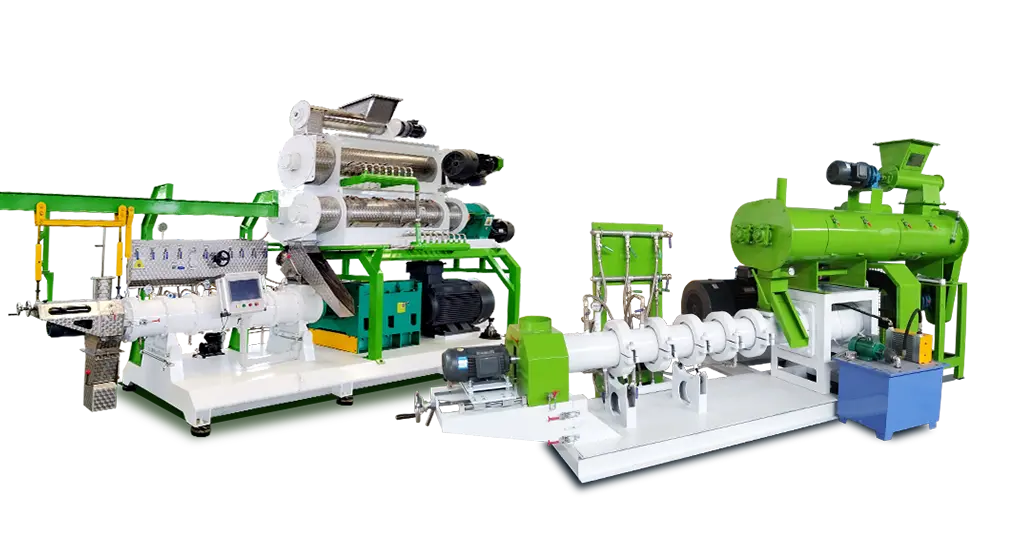
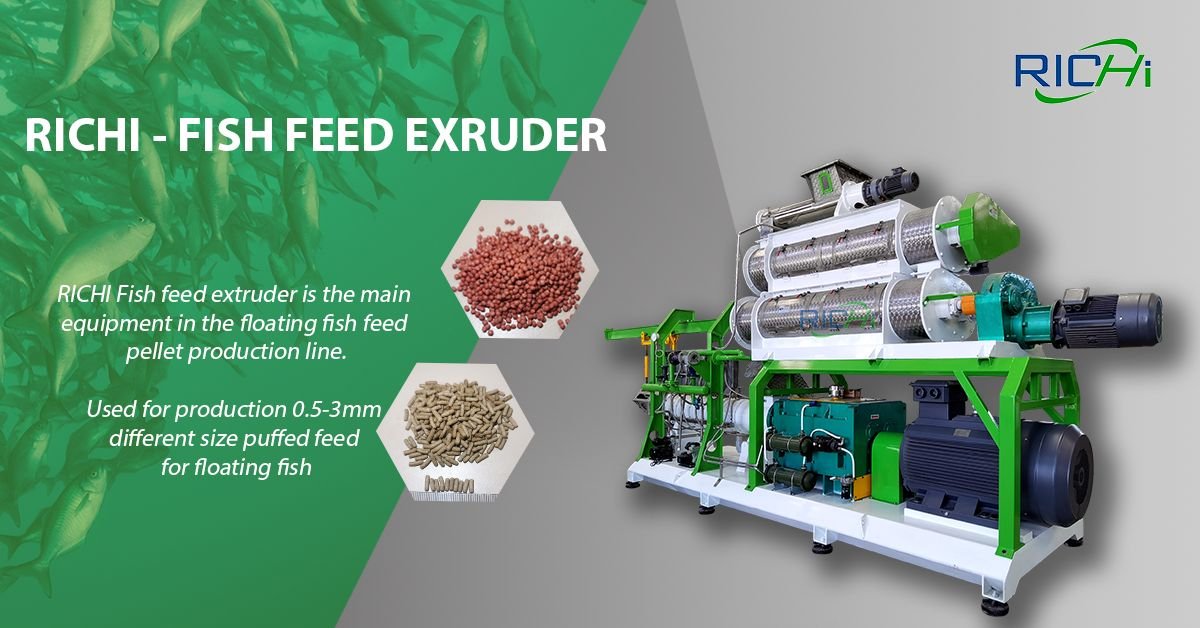
Floating feed production relies on extrusion technology to create pellets that can remain on the water surface for extended periods. This improves feeding efficiency and allows farmers to monitor consumption more easily.
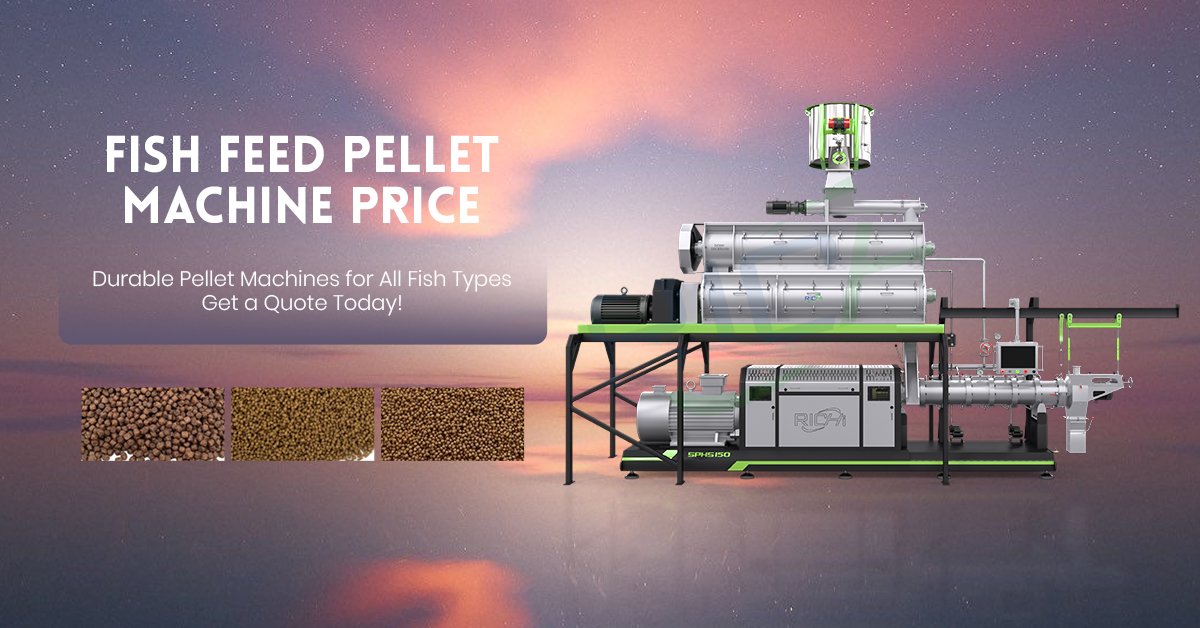
For investors targeting intensive aquaculture markets, solutions like industrial fish feed production line solution are often preferred due to their advanced extrusion capabilities and higher product consistency.
Capacity and Production Strategy Selection
Production capacity plays a key role in determining factory design, investment scale, and operational flexibility.
Common configurations include:
- 1–2 T/H small-scale systems
- 2–3 T/H medium-scale systems
- 3–4 T/H commercial systems
- 4–5 T/H industrial systems
Each capacity level serves different business strategies.
For example, a 1-2 T/H fish feed processing line for sale is often chosen by new investors entering local or regional markets. It provides a lower entry barrier while still supporting professional-grade feed production.
On the other hand, larger systems focus on export markets and large-scale distribution networks.
The Role of Equipment Engineering in Feed Quality
Feed production quality depends heavily on equipment engineering precision. Each stage of production contributes to the final result.
Grinding Systems
Uniform particle size improves digestion efficiency and ensures consistent mixing results.
Mixing Systems
Accurate ingredient distribution ensures that every pellet contains the correct nutritional balance.
Extrusion Systems
Extrusion determines pellet shape, density, and buoyancy characteristics.
Drying and Cooling Systems
Proper thermal control prevents deformation and ensures long-term storage stability.
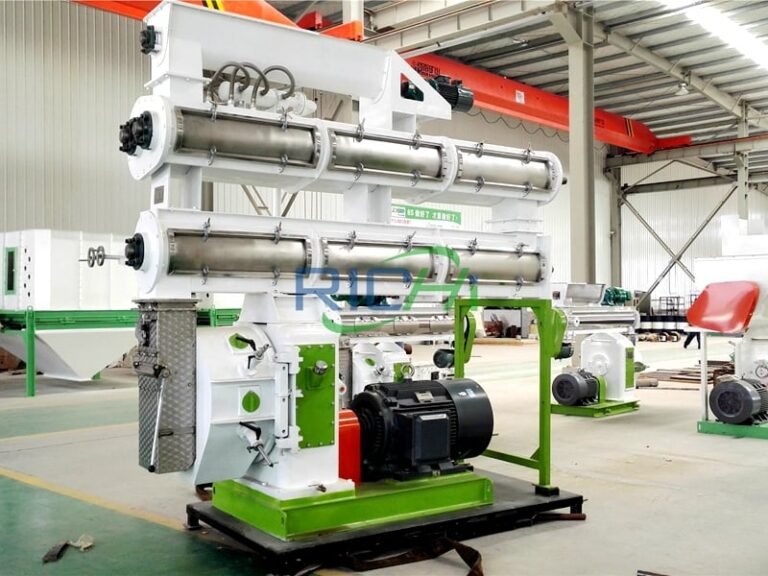
Modern manufacturers increasingly rely on advanced systems such as Richi Pellet Mill technology to ensure stable output and reduced energy consumption.
Automation and Digital Production Control
Automation has become a defining feature of modern feed manufacturing plants.
Digital systems now control:
- Ingredient dosing accuracy
- Temperature and moisture levels
- Production speed and output consistency
- Equipment synchronization
This level of control significantly reduces human error and improves production reliability.
Automation also enables real-time monitoring, allowing operators to make adjustments immediately when deviations occur.
Cost Efficiency and Production Optimization
One of the key benefits of modern fish feed production systems is improved cost efficiency.
Cost savings come from:
- Reduced raw material waste
- Lower energy consumption
- Improved labor efficiency
- Higher production yield
- Fewer production interruptions
Over time, these improvements significantly increase profit margins, especially in large-scale production environments.
Why System Integration Is Becoming a Global Standard
Instead of purchasing individual machines separately, many investors now prefer fully integrated production systems.
Integrated systems ensure:
- Smooth production flow
- Reduced material handling errors
- Lower maintenance complexity
- Higher automation compatibility
Manufacturers such as Richi Pelletizer providers focus on designing complete production lines rather than standalone machines, ensuring better overall performance.
Industry Challenges and Operational Risks
Despite technological advancements, fish feed manufacturing still faces several challenges:
Raw Material Price Volatility
Ingredient costs fluctuate due to global supply chain instability.
Energy Cost Pressure
Feed production is energy-intensive, especially in drying and extrusion stages.
Quality Consistency Requirements
Customers demand stable pellet quality across all production batches.
Regulatory Compliance
Environmental and safety standards are becoming increasingly strict worldwide.
Addressing these challenges requires not only advanced equipment but also strong production management systems.
Information Access and Technical Learning
In a rapidly evolving industry, access to accurate technical information is essential for making informed investment decisions.
Many professionals rely on industry references and technical knowledge platforms such as about this resources to understand system performance, production strategies, and equipment comparisons.
Better access to technical knowledge leads to better investment outcomes and reduced operational risk.
Future Development Trends in Fish Feed Manufacturing
The industry is moving toward several clear trends:
Greater Automation
Fully automated plants will become standard in large-scale production.
Higher Energy Efficiency
Reducing production energy consumption is becoming a major design priority.
Advanced Feed Formulation
Precision nutrition will improve feed efficiency and reduce waste.
Modular Plant Design
Flexible plant layouts will allow easier expansion and upgrades.
Digital Monitoring Systems
Data-driven production management will optimize efficiency and reduce downtime.
Conclusion: Technology Defines Competitiveness
Fish feed production is no longer just a manufacturing process—it is a technology-driven industry where precision, efficiency, and integration determine competitiveness.
Choosing the right production system requires careful evaluation of technology type, capacity planning, automation level, and long-term scalability.
Investors who prioritize integrated systems and advanced engineering design are more likely to achieve stable production performance and long-term profitability.
For those exploring deeper insights into production technologies and system configurations, additional technical references and industry materials can be accessed through find out here now to support better decision-making in fish feed manufacturing projects.
(Related Post: https://www.richipelletmill.com/shrimp-feed-plant/)