
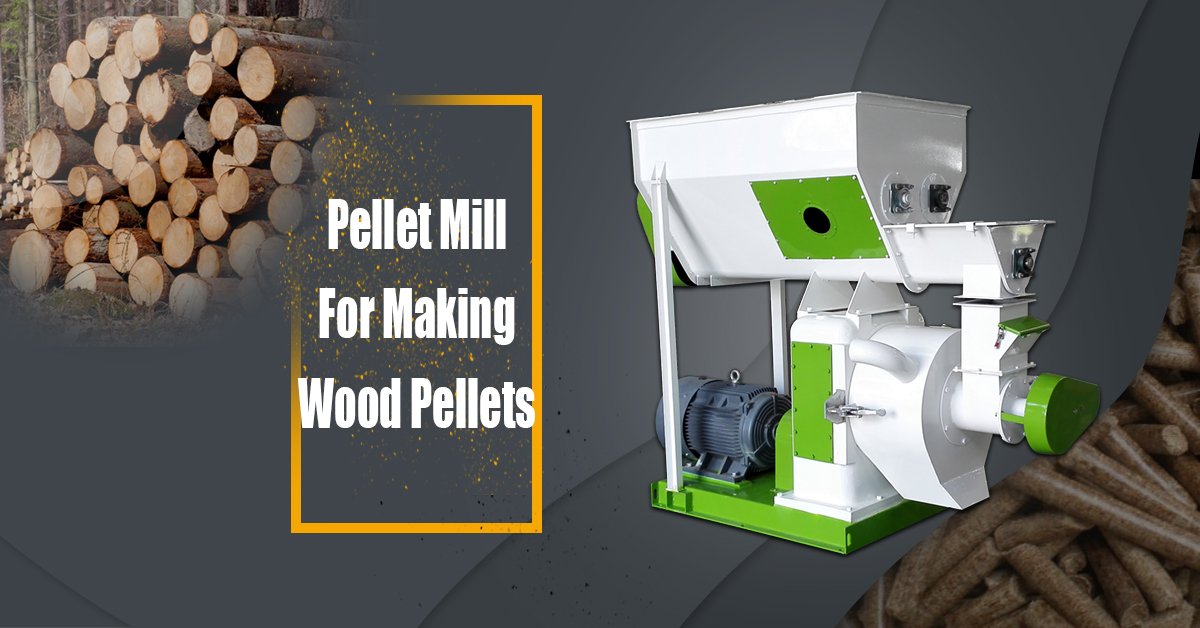
Introduction to Wood Pellet Mills in Canada
The term wood pellet mill for sale Canada refers to industrial equipment used to manufacture wood pellets within the Canadian market, where forestry resources, renewable energy policies, and cold-climate heating needs intersect. Canada is one of the world’s most important wood pellet producers and exporters, supplying both domestic demand and international markets, particularly Europe and Asia.
A wood pellet processing plant is not merely a single machine but a central unit within a broader biomass processing system. In Canada, pellet mills are commonly deployed in commercial and industrial settings, converting forestry residues into standardized pellets that serve as renewable fuel, animal bedding, or industrial biomass feedstock.
Canada’s Role in the Global Wood Pellet Industry
Canada holds a strategic position in the global wood pellet supply chain due to its vast forest coverage, advanced forestry management practices, and established export infrastructure. Provinces such as British Columbia, Alberta, Quebec, and Ontario host numerous pellet production facilities, many of which operate at commercial scale.
Canadian wood pellet mills are often designed to meet strict international quality standards, including durability, moisture content, and calorific value. As a result, the equipment used in these facilities must offer high reliability, consistent output, and long-term operational stability.
What Is a Wood Pellet Mill?
A wood pellet mill is an industrial machine that compresses prepared wood biomass into dense cylindrical pellets using mechanical pressure and frictional heat. These pellets are easier to transport, store, and burn efficiently compared to loose biomass materials.
Core Mechanical Structure
A typical wood pellet mill includes:
A controlled feeding system
A pelletizing chamber with a ring die
Compression rollers
High-power motor and gearbox
Lubrication and cooling systems
Pellet discharge and cutting components
In commercial Canadian applications, pellet mills are usually ring die machines, chosen for their high capacity and continuous operation capability.
Raw Materials Used in Canadian Pellet Mills
Canada’s forestry industry generates a wide range of raw materials suitable for pellet production. Common inputs include:
Softwood sawdust from lumber mills
Wood shavings from secondary wood processing
Ground wood chips
Forestry residues from thinning and harvesting operations
Due to Canada’s climate, moisture control is particularly important. Raw materials are typically dried to a moisture content between 10% and 15% before pelletizing to ensure stable machine operation and durable pellets. https://richipelletizer.com/wood-pellet-factory/
The Wood Pellet Production Process
Material Preparation
Before pelletizing, raw wood materials are crushed, screened, and dried. Proper preparation improves pellet quality and reduces wear on the pellet mill. In Canadian operations, drying systems are often designed to handle cold ambient temperatures efficiently.
Pelletizing Stage
Inside the pellet mill, rollers force the biomass through die holes under high pressure. Friction raises the temperature, activating lignin within the wood, which binds the particles together without chemical additives.
Cooling and Finishing
Fresh pellets exit the mill hot and soft. Cooling systems are used to reduce temperature and harden pellets, improving their mechanical strength and storage stability for transportation across long distances.
Types of Wood Pellet Mills Used in Canada
Ring Die Pellet Mills
Ring die pellet mills dominate commercial pellet production in Canada. Their advantages include:
High output capacity
Uniform pellet density
Lower vibration during operation
Longer service life for dies and rollers
Many Canadian pellet plants rely on industrial-grade equipment supplied by manufacturers such as RICHI, which focus on durability and energy efficiency in large-scale biomass applications.
Integrated Pellet Mill Systems
Rather than standalone machines, pellet mills in Canada are often integrated into complete production lines that include conveyors, dryers, coolers, and automated control systems. This integration improves efficiency and reduces labor requirements.
Applications of Wood Pellets in Canada
Wood pellets produced by Canadian pellet mills are used across multiple sectors:
Residential Heating: Pellet stoves and boilers are common in rural and cold regions
District Heating: Community-scale heating systems use pellets as renewable fuel
Industrial Energy: Pellets replace coal in certain industrial boilers
Export Markets: Large volumes are shipped overseas for power generation
The diversity of applications supports consistent demand for wood pellet mills for sale in Canada.
Market Demand for Pellet Mills in Canada
Demand for wood pellet mills in Canada is influenced by several factors:
Renewable energy incentives
Carbon reduction policies
Growth in pellet exports
Rising fossil fuel costs
As pellet plants expand capacity or modernize equipment, interest in reliable pellet mills continues to grow. Buyers often prioritize equipment that meets both domestic safety regulations and international export requirements. Check
Performance Factors for Pellet Mills in Cold Climates
Operating pellet mills in Canada presents unique challenges due to low temperatures and seasonal variations. Key performance considerations include:
Cold-resistant lubrication systems
Stable motor performance in winter conditions
Efficient drying systems
Durable die and roller materials
Advanced designs from suppliers such as RICHI Pellet Machine incorporate reinforced structures and optimized drive systems to ensure stable operation in harsh environments.
Maintenance and Operational Practices
Regular maintenance is essential for pellet mills operating in Canada. Common maintenance tasks include:
Inspection of dies and rollers
Lubrication of bearings and gearboxes
Monitoring vibration and temperature
Cleaning material build-up in cold conditions
Preventive maintenance strategies are widely adopted to minimize downtime during peak heating seasons, when pellet demand is highest.
Environmental Importance of Pellet Production in Canada
Wood pellet mills support Canada’s environmental goals by enabling the use of renewable biomass instead of fossil fuels. When sourced responsibly, pellets contribute to lower net greenhouse gas emissions and improved waste utilization.
Pellet production also aligns with sustainable forest management practices by adding value to residues that would otherwise be discarded or burned as waste.
Economic Impact of Pellet Mills in the Canadian Context
From an economic standpoint, pellet mills create value across the forestry supply chain. They provide additional revenue streams for sawmills, create jobs in rural areas, and support export-oriented industries.
Investing in a wood pellet mill for sale in Canada is often viewed as a long-term infrastructure decision rather than a short-term purchase, emphasizing reliability and lifecycle cost efficiency.
Technological Trends in Canadian Pellet Mills
Modern pellet mills increasingly feature:
Energy-efficient motors
Automated lubrication systems
Digital monitoring and control platforms
Improved noise and vibration reduction
High-precision die manufacturing
These trends reflect the broader movement toward automation and smart manufacturing within Canada’s biomass sector.
Selecting a Wood Pellet Mill for Sale in Canada
Choosing a suitable pellet mill requires careful assessment of production capacity, raw material availability, climate conditions, and regulatory requirements. Buyers often evaluate:
Output per hour
Energy consumption
Equipment lifespan
Technical support availability
Established manufacturers such as RICHI often provide system-level solutions that integrate pellet mills into complete, optimized production lines. Complete Wood Pellet Plant in Romania
Conclusion
A wood pellet mill for sale Canada represents a critical investment in renewable energy and sustainable resource utilization. As Canada continues to expand its role in the global pellet market, reliable and efficient pellet mills remain essential to meeting both domestic and international demand.With proper selection, operation, and maintenance, wood pellet mills can deliver long-term environmental and economic benefits, supporting Canada’s transition toward a cleaner and more resilient energy future.