
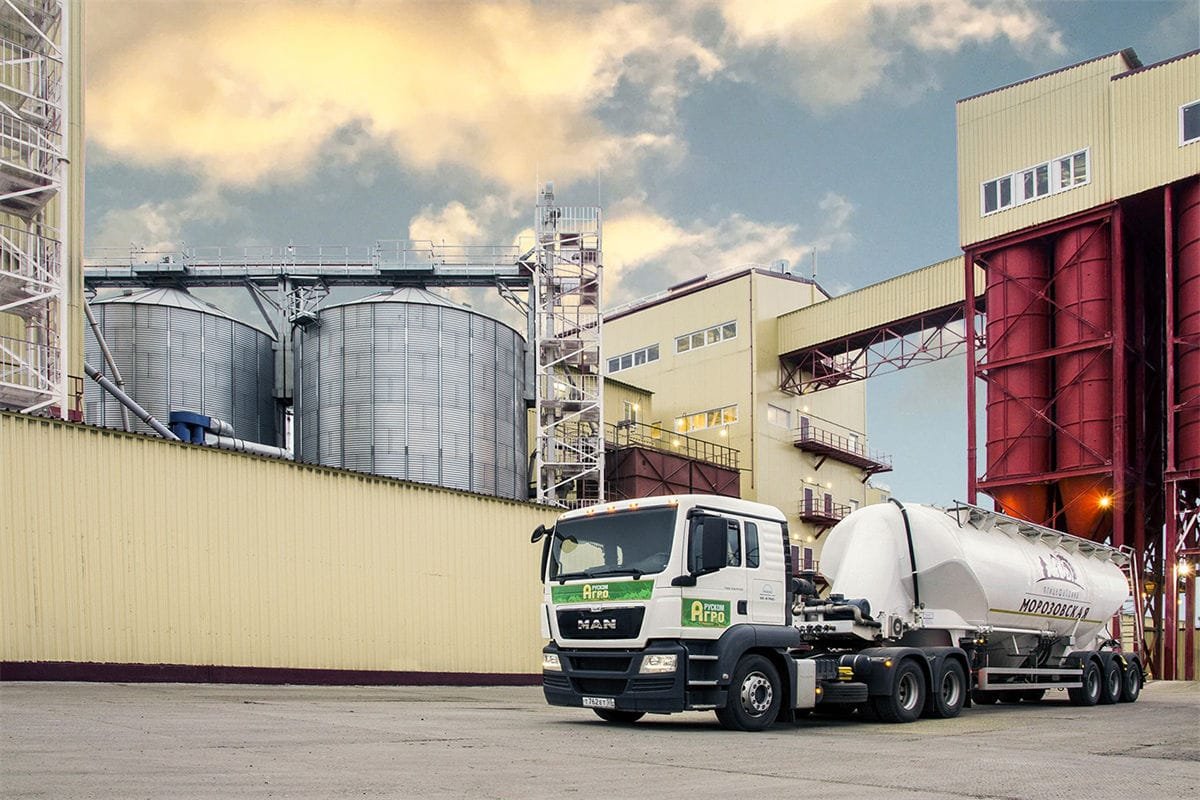
The Philippines, with its expanding livestock and aquaculture sectors, offers a promising opportunity for establishing an animal feed mill. As demand for high-quality feed continues to grow, setting up a 10T/H (tons per hour) feed mill can be a lucrative venture. This guide outlines a step-by-step approach to establishing such a facility in the Philippines, considering local regulations, market dynamics, and operational requirements.
Step 1: Conduct a Thorough Market Analysis
Before starting the project, conduct a comprehensive market analysis:
- Assess Demand: Evaluate current and projected demand for animal feed across poultry, swine, cattle, and aquaculture sectors in the Philippines.
- Identify Target Markets: Determine specific segments (e.g., poultry feed, swine feed, aquafeed) to focus on.
- Analyze Competition: Study existing feed mills, their capacities, market shares, and pricing dynamics.
- Understand Pricing: Research prevailing feed prices and factors influencing price fluctuations.
Related post: Animal Feed Production Line
Step 2: Develop a Business Plan
Based on market analysis, create a detailed business plan covering:
- Financial Projections: Estimate startup costs, operational expenses, and revenue forecasts.
- Funding Strategy: Determine financing options such as personal investment, bank loans, or investor funding.
- Operational Plan: Outline production processes, quality control measures, and distribution strategies.
- Marketing Strategy: Plan for product promotion, brand establishment, and market penetration strategies.
Step 3: Choose an Optimal Location
Select a strategic location considering:
- Proximity to Raw Materials: Near major grain-producing regions or ports for access to imported ingredients.
- Transportation Infrastructure: Ensure good road connectivity for efficient distribution.
- Utilities Access: Verify availability of reliable electricity and water supply.
- Labor Availability: Choose a location with access to a skilled workforce.
- Zoning and Regulations: Confirm industrial zoning and compliance with local regulations.
Step 4: Obtain Necessary Permits and Licenses
Navigate regulatory requirements by obtaining essential permits and licenses:
- Business Registration: Register with SEC or DTI.
- Environmental Compliance: Obtain an ECC from DENR.
- Local Permits: Secure a Mayor’s Permit from the local government unit.
- FDA License: Register with the Food and Drug Administration for feed production.
- Tax Registration: Complete BIR registration for taxation purposes.
Step 5: Design the Feed Mill Layout
Work with engineers to design an efficient layout including:
- Raw Material Reception: Areas for truck unloading and ingredient storage.
- Processing Area: Space for grinding, mixing, and pelleting equipment.
- Packaging and Storage: Allocation for packaging lines and finished product storage.
- Quality Control Lab: A well-equipped facility for testing and assurance.
- Office and Staff Facilities: Administrative spaces and amenities for staff.
Step 6: Procure and Install Equipment
Source high-quality equipment suitable for a 10T/H capacity:
- Grinding Equipment: Hammer mills or roller mills for ingredient processing.
- Mixing Systems: Batch or continuous mixers for blending.
- Pelleting Line: Including conditioner, pellet mill, and cooler.
- Packaging Equipment: Automated systems for bagging and sealing.
- Storage Silos: For raw materials and finished products.
- Material Handling Systems: Conveyors, elevators, and pneumatic systems for material transfer.
Ensure all equipment meets Philippine standards and regulatory requirements.
Step 7: Establish Quality Control Measures
Implement stringent quality control protocols:
- Raw Material Testing: Procedures for incoming ingredient testing.
- In-Process Controls: Checkpoints during production processes.
- Finished Product Analysis: Regular testing for nutritional content and quality assurance.
- Laboratory Equipment: Equip with necessary tools for on-site analysis.
- Documentation: Maintain comprehensive records of all quality control activities.
Step 8: Hire and Train Staff
Recruit and train a skilled workforce:
- Production Staff: Operators experienced in feed mill operations.
- Quality Control Personnel: Technicians for laboratory and quality assurance.
- Maintenance Team: Mechanics and electricians for equipment upkeep.
- Administrative Staff: Personnel for accounting, sales, and general administration.
- Training Programs: Develop ongoing training to ensure staff proficiency and safety compliance.
Step 9: Source Raw Materials
Establish reliable supply chains:
- Local Sourcing: Forge relationships with local producers and suppliers.
- Import Channels: Set up channels for importing necessary ingredients.
- Storage Facilities: Ensure ample capacity for storing bulk materials.
- Inventory Management: Implement efficient systems for inventory control.
Step 10: Develop Marketing and Distribution Strategies
Create a robust market presence:
- Branding: Develop a strong brand identity for feed products.
- Sales Team: Build a knowledgeable team to reach customers effectively.
- Distribution Network: Establish channels and partnerships for product distribution.
- Customer Support: Provide excellent service and technical support.
- Digital Presence: Utilize online platforms for marketing and engagement.
Step 11: Ensure Compliance and Continuous Improvement
Maintain high standards:
- Regular Audits: Conduct internal and external audits for compliance.
- Stay Updated: Monitor feed regulations and industry standards.
- Feedback Loop: Gather and act on customer feedback for improvement.
- Continuous Improvement: Review processes regularly for efficiency and quality enhancement.
Setting up a 10T/H animal feed mill in the Philippines demands thorough planning and adherence to local regulations. By following these steps diligently and adapting to market conditions, you can establish a successful operation contributing to the country’s growing agricultural sector. Flexibility and commitment to quality will be crucial for long-term success in this dynamic industry.
For details please contact: Richi Pellet Mill
WhatsApp:86 138 3838 9622
Email:enquiry@pellet-richi.com