
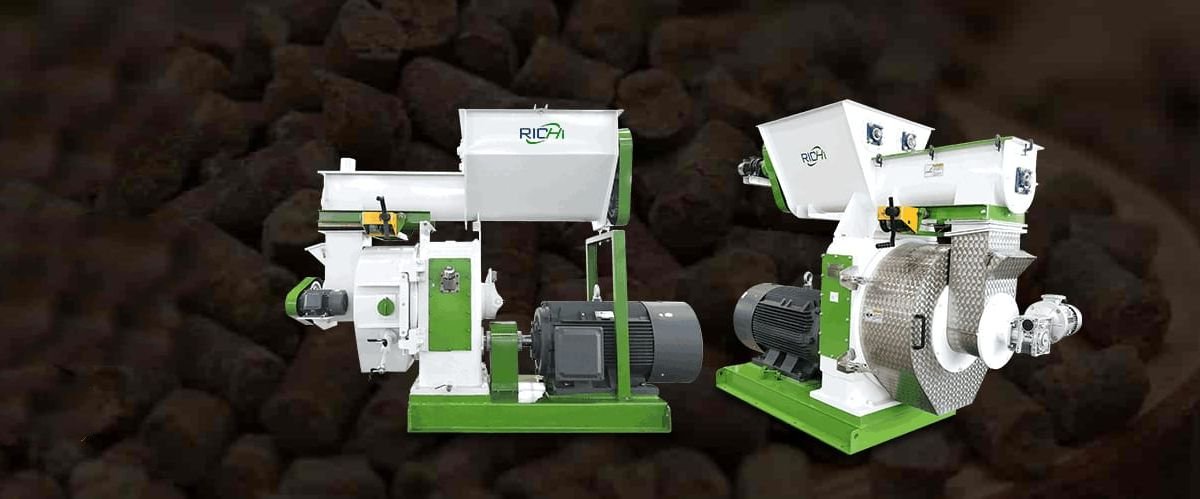
Organic fertilizer pellet machines play a vital role in modern agriculture by converting raw organic materials into uniform and easily usable pellets. Understanding the key performance indicators (KPIs) of these machines is essential for manufacturers, farmers, and agricultural businesses to ensure efficient and high-quality pellet production. This article discusses the main performance metrics that define the capabilities and effectiveness of organic fertilizer pellet machines.
Production Capacity
Production capacity is one of the most crucial indicators of an organic fertilizer pellet machine. It is typically measured in tons per hour (t/h) or kilograms per hour (kg/h) and can vary significantly based on the machine’s size and design. Generally, the capacity ranges from 50 kg/h for small-scale machines to over 10 t/h for industrial-scale equipment. The production capacity directly influences the machine’s suitability for different scales of operation, from small farms to large industrial facilities.
Pellet Size and Uniformity
The ability to produce consistent pellet sizes is essential for maintaining quality control. The typical pellet diameter ranges from 2mm to 10mm, with 4-6mm being common for agricultural applications. The length-to-diameter ratio generally falls between 2:1 and 5:1. Size uniformity is measured as the percentage of pellets within a specified size range, ensuring that nutrients are distributed evenly and that the pellets can be easily applied in the field.
Moisture Content Control
Proper moisture content is critical for pellet formation and quality. The optimal moisture level usually ranges between 13-18% for most organic materials. Machines should have the capability to adjust moisture levels, either by adding water or drying the material as needed. Moisture consistency is measured by the variation in moisture content across a batch of pellets. Effective moisture control enhances pellet durability and storage stability.

Pellet Durability Index (PDI)
The Pellet Durability Index (PDI) measures a pellet’s ability to withstand handling without breaking, typically expressed as a percentage. A higher PDI indicates more durable pellets. Standard testing methods involve tumbling the pellets and measuring the percentage that remain intact. Durable pellets are essential for reducing dust, maintaining integrity during transport, and ensuring even distribution during application.
Energy Efficiency
Energy consumption is a significant consideration in operational costs. It is measured in kilowatt-hours per ton (kWh/t) of pellets produced and can vary based on machine design, raw material properties, and production scale. Modern machines typically aim for energy consumption below 50 kWh/t. Energy-efficient machines help lower operational costs and reduce environmental impact.
Raw Material Flexibility
The ability to process a variety of organic materials enhances versatility. Machines should be capable of handling different types of organic waste, manure, and plant residues, with a tolerance for varying initial particle sizes. Effective mixing capability allows for blending different raw materials for customized fertilizer formulations. Flexibility in raw material processing enables adaptation to seasonal variations and diverse input sources.
Throughput Consistency
Maintaining consistent throughput is crucial for continuous operation. It is measured by the variation in production rate over time, influenced by factors such as raw material consistency and machine design. Typically expressed as a percentage deviation from the rated capacity, consistent throughput ensures stable production and aids in effective planning and scheduling.
Temperature Control
Proper temperature management during pelletization is essential for product quality. The die temperature is usually monitored and controlled within a specific range (e.g., 60-90°C). Cooling efficiency should ensure that pellets are cooled to near-ambient temperature for storage, with temperature uniformity maintained throughout the pelletization process. Effective temperature control impacts pellet quality, durability, and nutrient preservation.
Compression Ratio
The compression ratio affects pellet density and durability, typically ranging from 3:1 to 9:1, depending on the raw material and desired pellet characteristics. Higher compression ratios generally result in denser, more durable pellets. Some machines offer adjustable compression settings, allowing customization based on raw material properties. Optimal compression ensures high-quality pellets while minimizing energy consumption.
Nutrient Retention
Preserving the nutrient content of raw materials is crucial for fertilizer effectiveness. Nutrient retention is measured by comparing nutrient levels in raw materials to those in finished pellets. Factors such as processing temperature and mechanical stress during pelletization influence this retention. The goal is to minimize nutrient loss, particularly for heat-sensitive components like nitrogen, ensuring that fertilizer pellets deliver intended benefits to crops. (Related post:compost granulating machine )
Operational Noise Level
Noise levels are an important consideration for worker comfort and regulatory compliance, measured in decibels (dB). Modern machines often target noise levels below 80 dB at the operator’s position, influenced by machine design, insulation, and operational speed. Lower noise levels contribute to better working conditions and help meet workplace regulations.
Maintenance Requirements
The ease and frequency of maintenance impact overall operational efficiency. Maintenance requirements can be quantified in terms of maintenance hours per operational hour and include factors such as the frequency of die and roller replacements, lubrication needs, and cleaning requirements. Modern machines are often designed for easy maintenance, minimizing downtime. Low maintenance requirements reduce operational costs and increase machine availability.
Control System Sophistication
Advanced control systems enhance operational efficiency and product consistency. Key features include the level of automation, data logging and analysis capabilities, and options for remote monitoring and control. Sophisticated control systems can optimize production processes, reduce human error, and provide valuable insights for continuous improvement.
Conclusion
Understanding these key performance indicators is essential for selecting, operating, and maintaining organic fertilizer pellet machines effectively. These metrics not only define a machine’s capabilities but also impact the quality of the final product, operational costs, and overall efficiency of the fertilizer production process.
When evaluating or specifying organic fertilizer pellet machines, it is important to align these parameters with specific production needs, raw material characteristics, and operational goals. By focusing on these key performance indicators, manufacturers and operators can ensure they select and utilize machines that consistently deliver high-quality organic fertilizer pellets efficiently, contributing to sustainable agricultural practices and improved crop yields.