
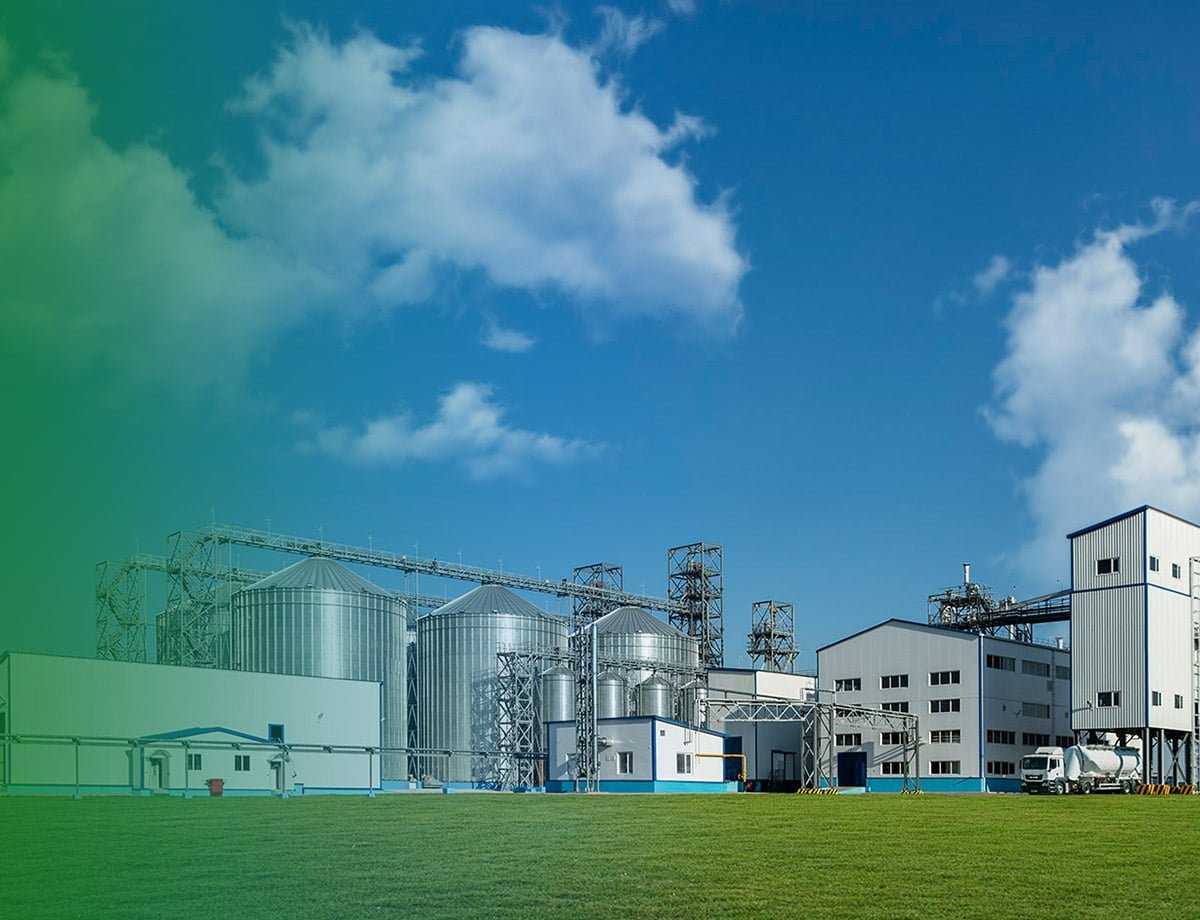
Building a complete feed mill plant with a capacity of 60-80 tons per hour (t/h) is a major investment, particularly in the area of civil construction. This stage of development is crucial as it lays the groundwork for the entire operation. Costs can vary widely depending on factors such as location, labor, materials, site conditions, and design requirements. This article outlines the key components involved in the civil construction of a feed mill plant and provides an estimated cost range.
Key Components of Civil Construction for a Feed Mill Plant
1. Site Preparation
Before construction can begin, the site must be properly prepared. This involves several essential steps:
- Land Clearing and Grading: Removing vegetation and leveling the site.
- Soil Testing and Improvement: Ensuring the soil can support the heavy structures and machinery.
- Drainage Systems: Installing systems to manage water runoff and prevent flooding.
- Access Road Construction: Building roads to allow for the transportation of materials and machinery.
2. Foundation Work
A solid foundation is critical to support the heavy machinery and structures that will be part of the feed mill. This stage includes:
- Excavation: Digging out space for the foundations.
- Reinforced Concrete Foundations: Pouring concrete to create a stable base for buildings and equipment.
- Piling Work: Installing deep foundations if the soil conditions require it.
3. Main Building Structure
The main building of the feed mill includes:
- Steel Frame or Reinforced Concrete Structure: Providing the skeleton of the building.
- Walls: Typically made of precast concrete panels or metal sheeting.
- Roofing: Protecting the interior from the elements.
- Flooring: Designed to withstand heavy loads and ensure durability.
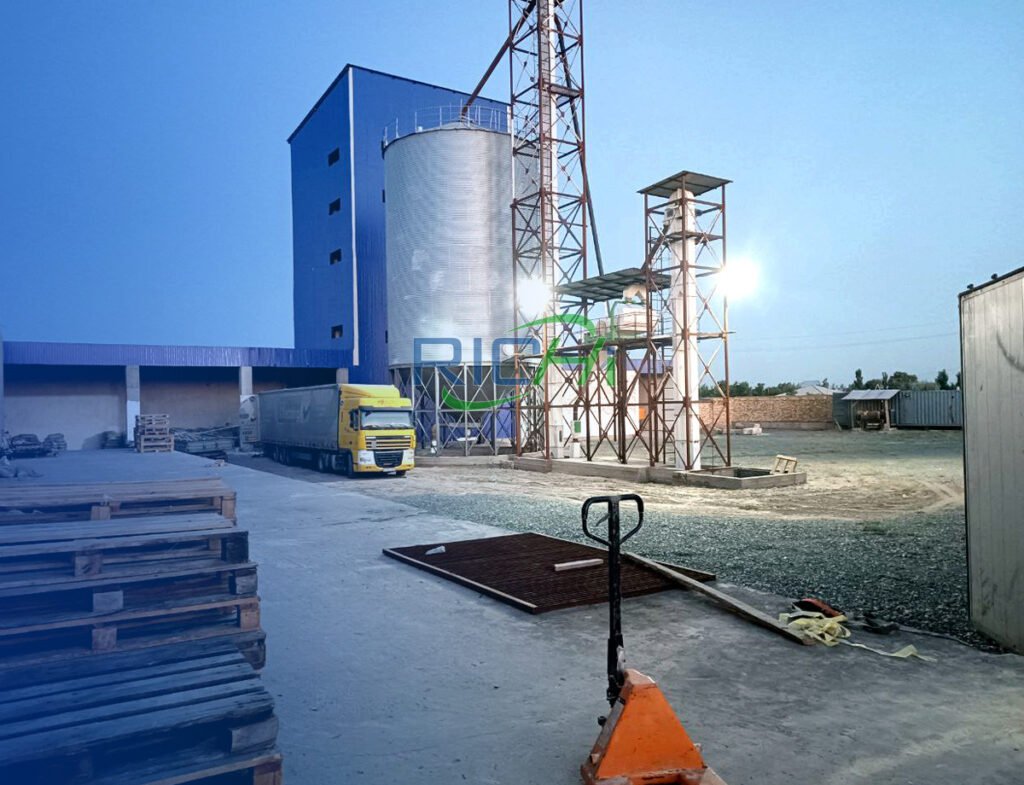
4. Auxiliary Buildings
Supporting structures that are necessary for the animal feed mill plant’s operation include:
- Raw Material Storage Facilities
- Finished Product Warehouses
- Office Buildings
- Maintenance Workshops
- Quality Control Laboratories
5. Silos and Bins
Storage is essential in a feed mill, requiring:
- Concrete or Steel Silos: For bulk storage of raw materials.
- Smaller Bins: For storing specific ingredients used in production.
6. Utility Infrastructure
Essential utilities include:
- Electrical Systems and Substations: To power the entire facility.
- Water Supply and Treatment Facilities
- Wastewater Management Systems
- Fire Protection Systems
7. Environmental Control Systems
To meet modern standards, feed mills require systems that manage environmental impact:
- Dust Collection Systems
- Ventilation and Air Conditioning
- Noise Reduction Measures
Factors Influencing Civil Construction Costs
Several factors can impact the civil construction costs of a feed mill plant:
- Location: Costs vary widely depending on geographic location, with urban areas generally being more expensive.
- Local Labor and Material Costs: Availability and pricing of skilled labor and materials will significantly affect costs.
- Site Conditions: Challenging terrain or poor soil conditions can increase preparation and foundation costs.
- Design Complexity: More intricate designs or specialized requirements can drive up construction costs.
- Environmental Regulations: Compliance with local laws may require additional investments in pollution control and waste management.
- Scale and Capacity: Even within the 60-80t/h range, larger capacities may require more substantial structures.
- Automation Level: Highly automated plants may need more sophisticated infrastructure.
Estimated Civil Construction Costs
While exact costs can only be determined through detailed planning and quotes, rough estimates can be made based on industry standards and recent projects.
For a 60-80t/h complete feed mill plant, civil construction costs are typically in the range of $5 million to $15 million USD. These costs can be broken down as follows:
- Site Preparation: 5-10% of total costs, $250,000 – $1,500,000
- Foundation Work: 15-20% of total costs, $750,000 – $3,000,000
- Main Building Structure: 30-40% of total costs, $1,500,000 – $6,000,000
- Auxiliary Buildings: 10-15% of total costs, $500,000 – $2,250,000
- Silos and Bins: 15-20% of total costs, $750,000 – $3,000,000
- Utility Infrastructure: 10-15% of total costs, $500,000 – $2,250,000
- Environmental Control Systems: 5-10% of total costs, $250,000 – $1,500,000
These figures are rough estimates and can vary based on the factors previously mentioned. For example, a plant in an urban area with strict environmental regulations might be at the higher end of the cost spectrum, while one in a rural area with lower labor costs might be at the lower end.
Additional Considerations
- Contingency Budget: It’s wise to set aside an additional 10-15% of the total budget for unexpected expenses or design changes.
- Professional Fees: Costs for architectural and engineering services, project management, and construction supervision are usually separate and can add another 5-10% to the total cost.
- Equipment Foundations: Foundations for specific pieces of equipment might be considered part of the equipment installation cost, not civil construction.
- Future Expansion: If expansion is planned, it might be cost-effective to build certain elements with future growth in mind.
Conclusion
The civil construction cost of a 60-80t/h complete feed mill plant is a significant portion of the overall investment, ranging from $5 million to $15 million USD. Given the scale of the investment, it is crucial to work with experienced professionals in feed mill construction to ensure efficiency, compliance, and future flexibility. Thorough feasibility studies and detailed contractor quotes are essential for getting accurate estimates and ensuring the project stays on budget. Proper planning during the civil construction phase lays the foundation for a successful and efficient feed mill operation.