



Understanding the Role of a Wood-Specific Pellet Mill
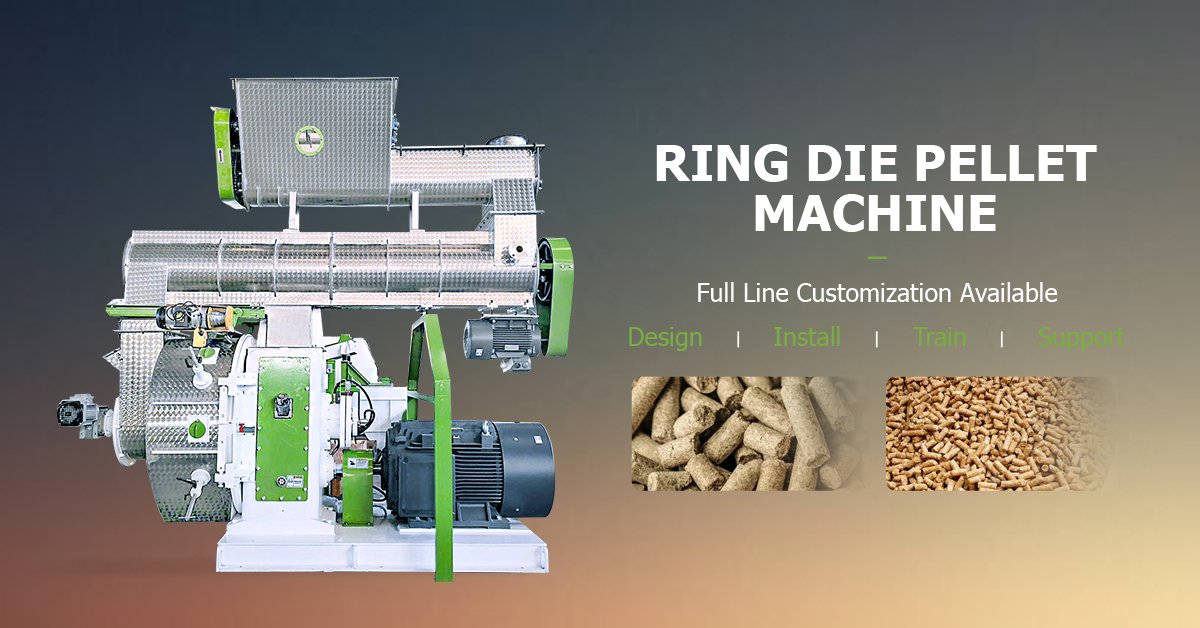
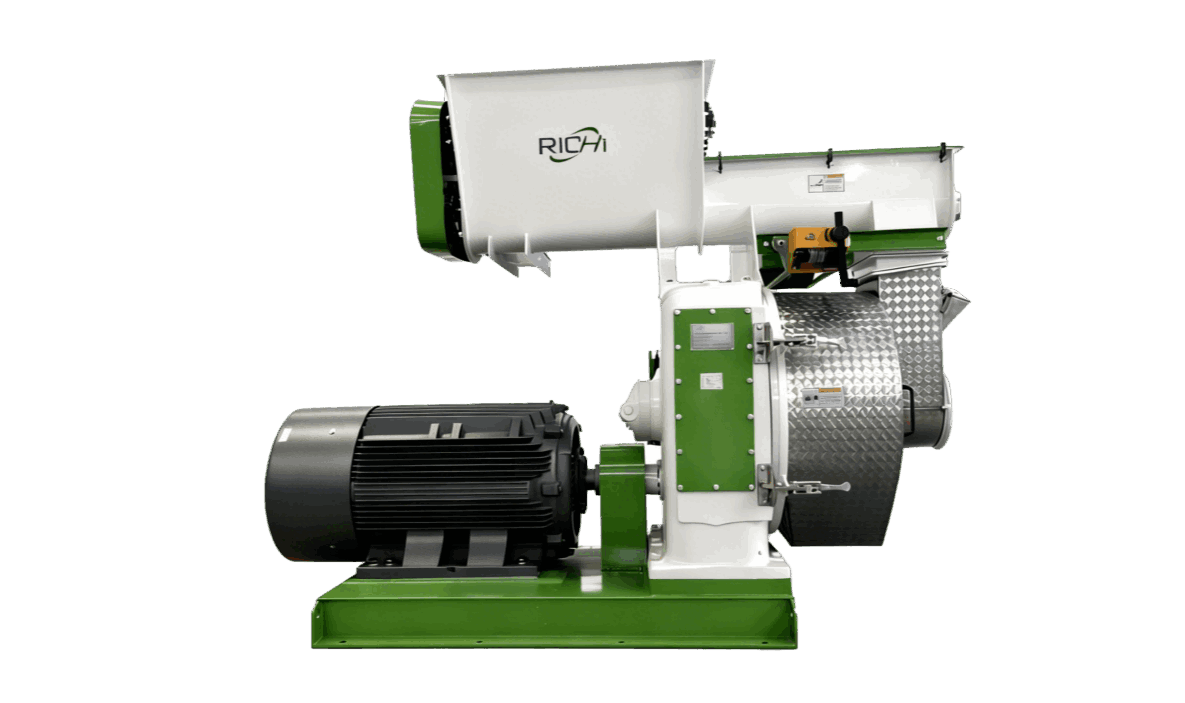
Not all pellet mills are created equal. A pellet mill for wood is specifically engineered to handle the unique physical and chemical characteristics of lignocellulosic biomass—including varying moisture content, fiber length, lignin content, and bulk density. Wood’s natural lignin acts as a binding agent when activated by the heat and pressure of the pelleting process, enabling the formation of durable pellets without chemical additives.
Designing a Wood Pellet Processing Plant from the Ground Up
A well-designed wood pellet processing plant for wood feedstock begins with a clear understanding of raw material properties: species type (hardwood vs. softwood), form (chips, slabs, sawdust, bark), moisture range, and seasonal variability. These parameters directly determine the required capacity and configuration of every process stage—from chipping and hammer-milling through drying, conditioning, pelleting, and cooling.
Plant designers must also account for fire and explosion risk—wood dust is combustible—and incorporate appropriate dust collection, explosion-venting, and fire suppression systems. Compliance with local fire codes and environmental regulations is non-negotiable.
Ring-Die vs. Flat-Die for Wood Applications
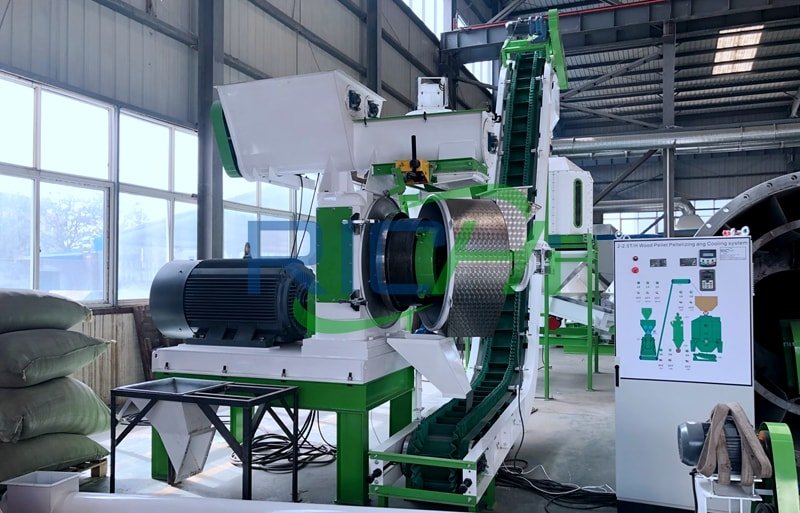
For commercial wood pellet production, ring-die mills are universally preferred. Their horizontal die orientation facilitates consistent material distribution, higher throughput, lower energy consumption per ton, and more uniform pellet density compared to flat-die machines. Ring-die systems also lend themselves more readily to automation and integration within large production lines.
Flat-die mills retain a niche for small-scale, batch-oriented operations or pilot production facilities where flexibility and lower upfront cost outweigh the throughput advantages of ring-die systems.
For detailed specifications on the most suitable mill configurations for your wood type, why not try here by reaching out directly to specialist engineers who can assess your feedstock and recommend an optimized solution.
The Best Pellet Maker Machine for Long-Term Success
The ideal pellet maker machine for wood applications combines high throughput with low specific energy consumption, long die and roller life, and minimal downtime for maintenance. Advanced engineering features—such as forced lubrication systems, overload protection devices, and precision roller-gap adjustment mechanisms—distinguish premium machines from budget alternatives and deliver measurable operational advantages over time.
Operators should also consider the availability of technical training and on-site commissioning support, which significantly reduces the learning curve and accelerates achievement of target production parameters.
Operational Best Practices for Wood Pellet Mills
Consistent feedstock quality is the most important factor in achieving stable pellet production. Raw material should be screened to remove contaminants (stones, metal fragments, oversized pieces) before entering the mill. Moisture content should be maintained within a narrow band—ideally 10–13% for most wood species—through effective drying and real-time moisture monitoring.
Regular die inspection, roller pressure calibration, and bearing lubrication schedules should be rigorously followed. Operational logs tracking energy consumption, die pressure, and output quality provide valuable data for predictive maintenance planning.