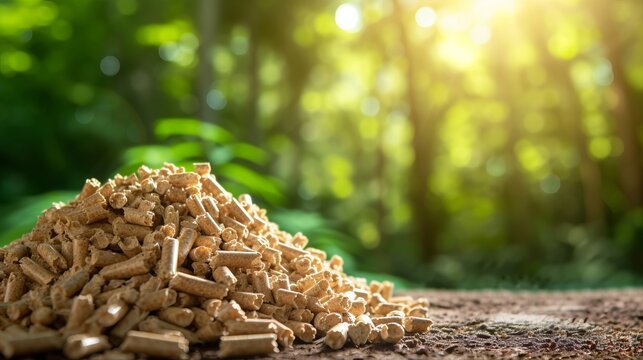





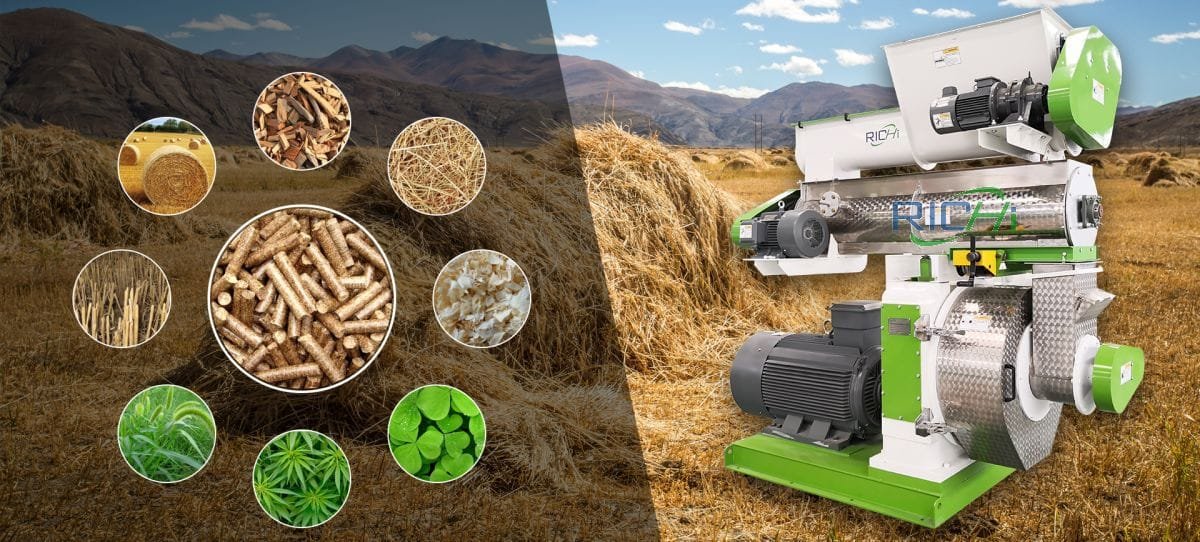
In the pursuit of sustainable energy solutions, the utilization of biomass has emerged as a promising alternative to traditional fossil fuels. Biomass, derived from organic matter such as agricultural residues, forestry by-products, and dedicated energy crops, offers a renewable and carbon-neutral source of energy. To harness the full potential of biomass, specialized equipment is required to convert this raw material into a convenient and efficient fuel source. Enter the biomass pellet press, a powerful and versatile machine designed to transform loose biomass into dense, energy-rich pellets suitable for various applications, including residential heating, industrial boilers, and co-firing in power plants.
Understanding the Biomass Pellet Press
A biomass pellet press is a specialized machine that utilizes mechanical force and pressure to compress and extrude biomass material into compact, cylindrical pellets. These pellets offer several advantages over loose biomass, including increased energy density, improved handling and transportation, and consistent combustion characteristics.The key components of a biomass pellet press typically include:
- Feeder System: Responsible for introducing the biomass material into the pellet press, ensuring a consistent and controlled flow of feedstock.
- Conditioning Unit: Prepares the biomass material by adjusting moisture levels, adding binders (if necessary), and ensuring optimal particle size for efficient pelleting.
- Pellet Mill: The heart of the pellet press, where the biomass material is compressed and extruded through a die, forming the pellets.
- Cooling and Drying System: Cools and dries the freshly formed pellets to stabilize their shape and moisture content, ensuring long-term storage stability.
- Pellet Collection and Packaging: Collects and packages the finished pellets for storage, transportation, or direct use.
- Control and Monitoring Systems: Advanced control and monitoring systems ensure precise control over process parameters, such as temperature, pressure, and feed rates, for consistent pellet quality.
Step-by-Step Guide to Using a Biomass Pellet Press
To effectively utilize a biomass pellet press and produce high-quality pellets, follow these steps:
- Feedstock Preparation: Ensure that the biomass feedstock is properly prepared, with the desired particle size and moisture content. Different biomass types may require specific pre-treatment processes, such as drying, grinding, or size reduction.
- Machine Setup and Calibration: Carefully review the manufacturer’s instructions and set up the pellet press according to the recommended specifications. Calibrate the machine’s parameters, such as temperature, pressure, and feed rates, based on the type of biomass feedstock and desired pellet characteristics.
- Feeder System Operation: Load the prepared biomass feedstock into the feeder system, ensuring a consistent and controlled flow of material into the pellet press.
- Conditioning and Binding: If necessary, introduce conditioning agents or binders to the biomass material to improve pellet durability and strength. Adjust moisture levels as required for optimal pelleting.
- Pellet Mill Operation: Engage the pellet mill and monitor the process closely. Adjust parameters as needed to achieve the desired pellet size, density, and quality.
- Cooling and Drying: As the freshly formed pellets exit the pellet mill, they must be cooled and dried to stabilize their shape and moisture content. Ensure that the cooling and drying systems are functioning properly.
- Pellet Collection and Packaging: Collect the finished pellets and package them appropriately for storage, transportation, or direct use. Proper packaging helps maintain pellet quality and prevents moisture absorption.
- Quality Control and Monitoring: Regularly monitor the pellet quality, including size, density, moisture content, and durability. Adjust process parameters as needed to maintain consistent pellet quality.
- Maintenance and Cleaning: Perform regular maintenance and cleaning of the pellet press to ensure optimal performance and longevity. Follow the manufacturer’s recommendations for maintenance schedules and procedures.
- Safety Precautions: Always prioritize safety when operating a biomass pellet press. Wear appropriate personal protective equipment (PPE), follow safety protocols, and ensure that all safety features and guards are in place and functioning correctly.
Related post: https://www.richipelletmachine.com/biomass-granulator/
Factors Influencing Biomass Pellet Quality
The quality of the biomass pellets produced by a pellet press is influenced by several factors, including:
- Feedstock Quality: The quality and composition of the biomass feedstock play a crucial role in determining the pellet quality. Consistent feedstock quality is essential for producing high-quality pellets.
- Moisture Content: Optimal moisture levels in the biomass material are critical for efficient pelleting and pellet durability. Too much or too little moisture can negatively impact pellet quality.
- Particle Size: The particle size of the biomass material affects the compaction and binding properties during pelleting, influencing pellet density and durability.
- Temperature and Pressure: Proper control of temperature and pressure during the pelleting process is essential for achieving the desired pellet density, strength, and combustion characteristics.
- Binders and Additives: The use of binders or additives can improve pellet durability and strength, but their selection and dosage must be carefully considered based on the biomass feedstock and intended application.
- Cooling and Drying: Effective cooling and drying of the freshly formed pellets are crucial for maintaining their shape, preventing moisture absorption, and ensuring long-term storage stability.
By following best practices, adhering to safety protocols, and continuously monitoring and optimizing the pelleting process, operators can produce high-quality biomass pellets that meet the desired specifications for various applications, contributing to the growth of the sustainable energy sector.